How to Choose a High Quality Stainless Steel Sink for Your Kitchen?
When it comes to kitchen renovations, choosing a High Quality Stainless Steel Sink can be pivotal. According to industry expert Mark Thompson, "A sink is the heart of the kitchen, influencing both functionality and aesthetic." Selecting the right sink involves understanding its materials, design, and durability.
High Quality Stainless Steel Sinks come in various grades, shapes, and finishes. The thickness of the steel affects not only its longevity but also sound insulation. Many homeowners overlook this aspect, leading to regrets after installation. Think about whether you want a brushed or polished finish. Each style impacts how easily the sink shows water spots and scratches.
Also, consider how the sink fits with your overall kitchen design. The right sink should blend seamlessly with countertops and cabinets. Balancing aesthetics with practicality is crucial. Review your needs carefully. A High Quality Stainless Steel Sink can enhance your kitchen experience, but choosing poorly may lead to dissatisfaction.
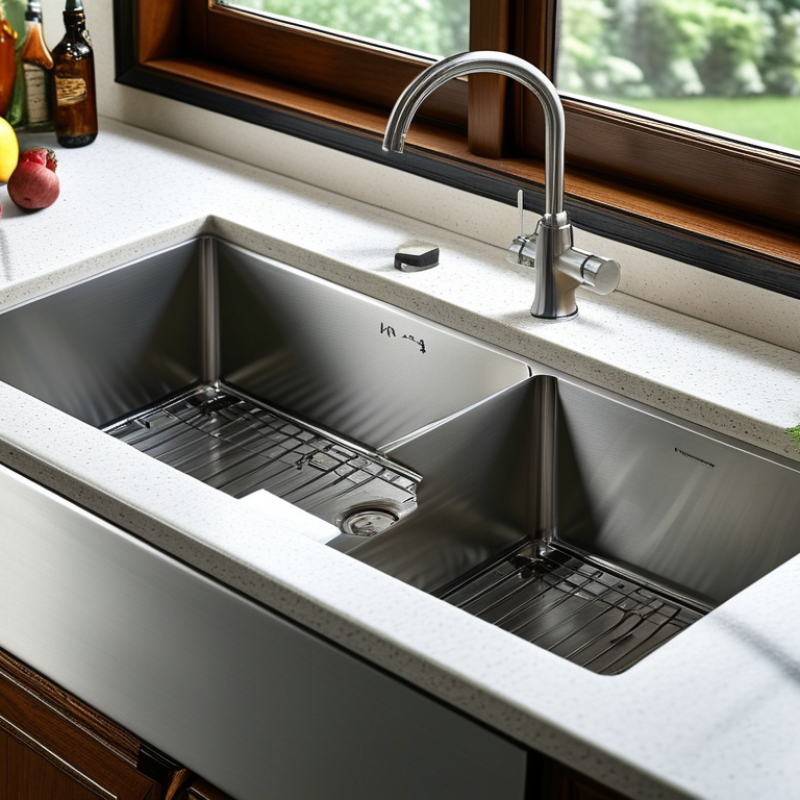
Key Factors to Consider When Selecting a Stainless Steel Kitchen Sink
Choosing a stainless steel sink requires careful consideration. Durability is one key factor. Look for sinks made from 16 or 18-gauge steel. Thicker steel means a tougher sink. Also, consider the finish. A brushed finish can hide scratches better than a polished one.
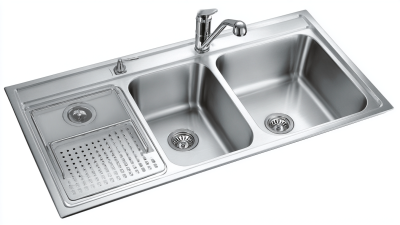
Size and configuration matter too. A deep sink can accommodate large pots easily. However, check the cabinet size below. Measure to ensure it fits. Remember to think about the number of bowls. Double bowls offer flexibility but may take more space.
Noise reduction is another aspect to reflect on. Some sinks come with soundproofing features. This can minimize clanking sounds while washing dishes. Lastly, consider your overall kitchen style. The sink should enhance, not clash, with your decor. Balancing functionality with aesthetics can be challenging. Trust your instincts and choose wisely.
How to Choose a High Quality Stainless Steel Sink for Your Kitchen?
| Dimension |
Value |
Description |
| Material Grade |
304 Stainless Steel |
Durable and resistant to rust and corrosion. |
| Thickness |
18 Gauge |
Provides good strength and durability. |
| Finish Type |
Brushed |
Helps in hiding scratches and fingerprints. |
| Size |
30 x 18 inches |
Standard size suitable for most kitchens. |
| Installation Type |
Undermount |
Creates a seamless look with the countertop. |
| Noise Reduction |
Yes |
Built-in soundproofing pads to minimize noise. |
| Warranty |
Limited Lifetime Warranty |
Provides long-term assurance of product quality. |
Understanding Stainless Steel Grades: A Guide to Durability and Quality
When selecting a high-quality stainless steel sink, understanding the grades of stainless steel is crucial. Stainless steel is categorized mainly into three grades: 304, 316, and 430. The most common choice for kitchen sinks is grade 304. This grade contains about 18% chromium and 8% nickel, making it highly resistant to rust and corrosion. According to a report by the American Iron and Steel Institute, 304 stainless steel is recognized for its durability and ease of cleaning.
Grade 316 is another option, often used in marine applications. It has better resistance to salt and harsh weather conditions. This can be beneficial for coastal environments or kitchens exposed to high humidity. However, it usually comes with a higher price. On the other hand, grade 430 is a more affordable option but lacks the corrosion resistance of the other two grades. It might be suitable in low-moisture areas but is not ideal for busy kitchens.
When choosing a sink, consider gauge thickness as well. A 16-gauge sink is thicker and absorbs sound better than a 20-gauge option. Yet, the 20-gauge sink is lighter and more affordable. Weighing these factors can help achieving a compromise between quality and budget. The ideal choice balances durability, maintenance, and cost. Be prepared to reflect on your needs and lifestyle when making this investment.
Comparing Sink Styles: Undermount vs. Topmount in Practical Use
When comparing undermount and topmount sinks, functionality takes center stage.
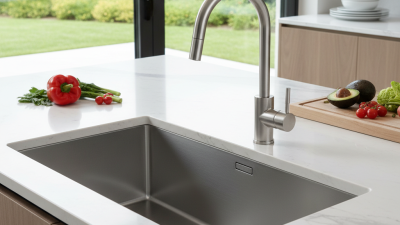
Undermount sinks are installed below the countertop, creating a seamless look with easy cleaning. This style is particularly favored in high-end kitchens. Reports by the National Kitchen & Bath Association indicate that undermount sinks are chosen in over 60% of kitchen remodels. Their sleek design offers aesthetics and ease of use, but they may require careful installation to prevent leaks.
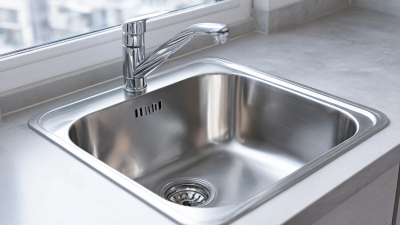
On the other hand, topmount sinks sit on the counter, making installation simpler. They are often more budget-friendly and easier to replace. However, their rim can collect dirt and grime, requiring more maintenance. A survey from the Home Improvement Research Institute highlights that topmount sinks remain popular, comprising nearly 40% of kitchen sink choices.
While both styles serve their purpose, a kitchen's overall design and user preference ultimately dictate the best fit. Consider the layout and usage of your kitchen. Reflect on your cleaning habits and style choices when making a decision. Both sink types offer distinct advantages and drawbacks. The choice will ultimately impact functionality and aesthetic appeal in your home.
The Importance of Finish and Gauge in Stainless Steel Sinks
When selecting a high-quality stainless steel sink, the finish and gauge are critical factors.
A brushed finish is popular for its ability to hide scratches. On the other hand, a polished finish provides a sleek look but can show fingerprints.
Choosing the right finish impacts not only aesthetics but also maintenance.
The gauge refers to the thickness of the stainless steel. Lower gauge numbers indicate thicker steel, which translates to improved durability.
A 16-gauge sink is ideal for a busy kitchen. It’s less prone to dents and damaging noise. Higher gauges may look attractive but lack robustness.
Tips for selection:
- Always feel the material before purchasing.
- Test its weight and rigidity.
- Look for sinks with soundproofing features. These minimize noise during use.
Remember that
quality matters more than appearance alone.
Small imperfections, like tiny scratches, may occur but should not compromise overall integrity.
Evaluating Brands: Trusted Manufacturers for High-Quality Sinks
When selecting a high-quality stainless steel sink for your kitchen, evaluating trusted manufacturers is crucial. Look for brands with a history of durability and customer satisfaction. A reputable manufacturer often adheres to strict quality standards, ensuring the sink can withstand daily use. Check for testimonials and reviews to gauge user experiences. Don’t overlook the importance of warranty; a solid warranty reflects the company's confidence in its product.
Consider the gauge of the stainless steel. A lower gauge means thicker steel, which typically equates to better sturdiness and noise reduction. Many brands offer sinks in various gauge options. While a thick sink is desirable, consider your own needs and budget. Is it worth investing in a higher gauge, or can you compromise for a more affordable option?
Tips: Always inspect the finish of the sink. A brushed finish is both resilient and stylish. Look for models with rounded edges to prevent food buildup and make cleaning easier. Pay attention to the sink's weight; a heavier sink usually indicates a quality build. Remember, the right choice is not just about brand but also about how well it meets your kitchen demands.