Best High Quality Stainless Steel Sinks for Global Buyers?
When searching for the best high quality stainless steel sinks, buyers face a vast selection. A high quality stainless steel sink can elevate your kitchen’s functionality and aesthetics. Choosing the right one is crucial for both durability and style.
Many factors come into play. Material thickness affects longevity. A thicker gauge typically means greater durability. Yet, finding the perfect balance between durability and design can be challenging. Not all sinks are created equal, and many brands make bold claims.
Expert reviews and buyer feedback provide valuable insights. Each sink has its unique features and potential drawbacks. Understanding these aspects helps in making a well-informed decision. Investing in a high quality stainless steel sink is significant. It impacts not just daily tasks but also long-term satisfaction in the kitchen.
Top Features to Consider in High-Quality Stainless Steel Sinks
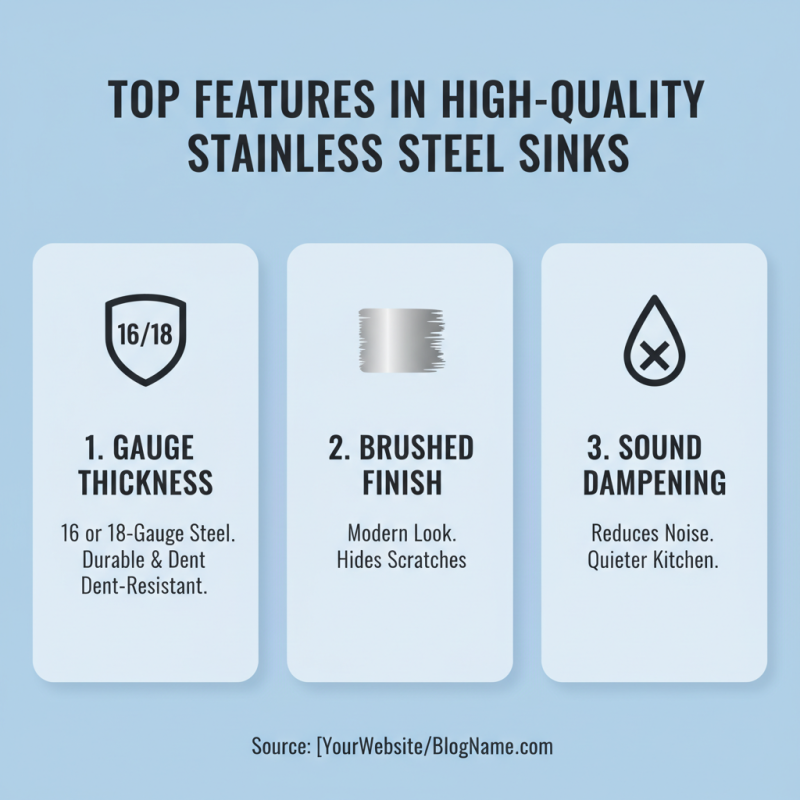
When choosing high-quality stainless steel sinks, several features are crucial. The thickness of the stainless steel is a key factor. Most premium sinks use 16 or 18-gauge steel, which offers durability and resistance to dents. A good sink should also have a brushed finish. This finish not only looks modern but also helps hide scratches and water spots.
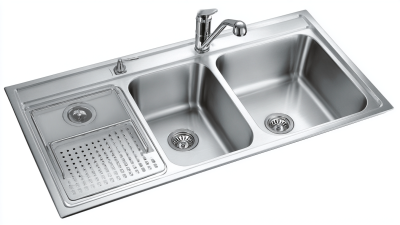
Sound insulation is another important feature. A well-insulated sink can reduce noise from pots and pans. According to the Kitchen & Bath Industry Show (KBIS), sinks with sound-dampening pads or coatings can decrease noise levels by up to 40%. Furthermore, check for the sink's design and functionality. Deep bowls provide more space for washing large items, while a divided sink can enhance multitasking.
Tips: Always inspect the welds in a sink. Poorly done welds can cause leaks over time. Choose a sink that has a lifetime warranty. A warranty reflects the manufacturer’s confidence in their product's durability. Don't overlook the practicality of maintaining cleanliness. Sinks with rounded corners are easier to clean, reducing buildup in hard-to-reach areas. Balance aesthetics and usability to ensure a satisfying kitchen experience.
Types of Stainless Steel Used in Kitchen Sinks: A Comprehensive Overview
When choosing a high-quality stainless steel sink, the type of stainless steel used is crucial. There are various grades of stainless steel, each with its unique properties. The most common grades used in kitchen sinks are 304 and 316. Grade 304 is popular for its excellent resistance to rust and corrosion. It is commonly used in homes. However, it may not be as durable in harsh environments.
Grade 316 stainless steel offers superior corrosion resistance due to its molybdenum content. This makes it a better choice for coastal areas or places exposed to saltwater. While 316 sinks can be more expensive, they often justify the cost due to their longevity. A practical concern arises, though: many buyers might not recognize the differences in these grades. It's essential to research and ask questions before purchasing a sink.
Thickness is another vital factor. A thicker gauge usually means a more durable sink, but it can also increase the price. Some manufacturers may use thinner materials to cut costs. This can lead to dents and noise, especially when washing dishes. Buyers should consider their usage habits to make informed decisions. Choosing the correct sink combines understanding the materials, asking the right questions, and weighing the overall value.
Comparative Analysis of Different Brands of Stainless Steel Sinks
When choosing stainless steel sinks, quality varies across brands, leaving buyers with options to consider. Many factors define a good sink, including thickness, finish, and soundproofing features. A thinner gauge may be lighter but more prone to dents and noises. A thicker gauge offers durability but can be heavier and costlier.
It's crucial to evaluate the finish type. Some sinks have a brushed finish that resists scratches well. Others feature a mirror finish, which looks stunning but may show water spots. Always consider maintenance requirements based on the finish you choose.
Tips: Consider how much you cook. If you use your sink frequently, opt for a thicker gauge. Soundproofing is another element to assess. Quiet sinks are usually lined with a special material that reduces noise. Finally, check the warranty terms. A lengthy warranty often reflects manufacturer confidence in their product.
Comparison of Stainless Steel Sink Quality Ratings
Maintenance Tips for Ensuring Longevity of Stainless Steel Sinks
Stainless steel sinks are popular due to their durability and modern appearance. To ensure they last, proper maintenance is key. A study from the National Association of Home Builders shows that well-maintained sinks can last over 30 years. Regular cleaning is essential to prevent stains and scratches. Use mild dish soap and a soft cloth, avoiding abrasive cleaners that can damage the surface.
Another crucial aspect of maintenance is protection from extreme temperatures. Placing hot pots directly on the sink can cause warping. Instead, use a trivet. Additionally, a survey revealed that 60% of homeowners neglect to use sink mats, which can prevent scratches. This oversight can lead to costly repairs or replacements down the line.
Lastly, ensure proper drainage to avoid water pooling. This can prevent rust or corrosion, common issues if moisture is trapped. Regularly check the sink for leaks or loose fittings. Attention to these details can significantly enhance a sink's lifespan, proving that thoughtful care makes a difference in maintaining quality.
Global Market Trends and Buyer Preferences for Stainless Steel Sinks
The global stainless steel sink market is experiencing significant growth. According to a recent report by Grand View Research, the market size is expected to reach USD 2.63 billion by 2025, with an annual growth rate of 4.2%. This trend signals rising demand among global consumers for durable, high-quality kitchen fixtures.
Buyers are increasingly gravitating towards sinks that blend functionality with aesthetics. Features such as soundproofing and resistance to scratches are becoming essential. Data from Statista highlights that nearly 70% of homeowners prioritize ease of maintenance and longevity when selecting sinks. Yet, the challenge remains that not all manufacturers meet these expectations, raising concerns about product quality and sustainability.
Additionally, market research indicates a shift towards eco-friendly manufacturing processes. Sustainability is now a decisive factor for buyers. A survey found that 55% of consumers prefer products made from recycled materials. This demand, however, has revealed a gap in transparency from some manufacturers. It's vital for buyers to seek out brands that can substantiate their environmental claims. This reflects a broader trend in consumer behavior, where informed choices concerning sustainability are imperative.
Best High Quality Stainless Steel Sinks for Global Buyers
| Model |
Material Quality |
Size (inches) |
Noise Reduction |
Finish Type |
Price Range (USD) |
| Double Basin Sink |
304 Stainless Steel |
32 x 18 |
Yes |
Brushed |
300 - 500 |
| Single Basin Sink |
316 Stainless Steel |
30 x 18 |
Yes |
Satin |
400 - 700 |
| Farmhouse Sink |
304 Stainless Steel |
36 x 20 |
Yes |
Polished |
600 - 900 |
| Undermount Sink |
304 Stainless Steel |
33 x 22 |
No |
Brushed |
350 - 600 |
| Corner Sink |
304 Stainless Steel |
25 x 25 |
Yes |
Satin |
200 - 400 |