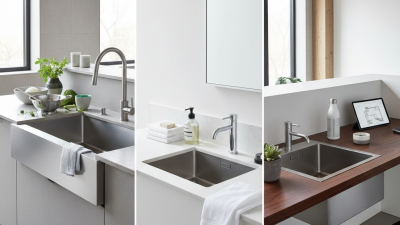
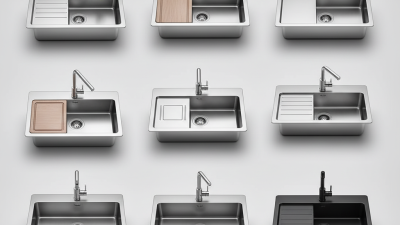
How to Choose the Best Stainless Steel Kitchen and Bathroom Sinks?
Choosing the best Stainless Steel Kitchen and Bathroom Sinks is vital for homeowners. A recent study by the National Kitchen & Bath Association highlights that 70% of kitchen remodels involve sink upgrades. This statistic reflects the sink's role in both functionality and aesthetic appeal. High-quality stainless steel sinks are known for their durability and resistance to corrosion.
When selecting a sink, several factors must be considered. The gauge of stainless steel affects its strength. Thicker gauges, like 16 or 18, offer greater resilience. However, cost is always a consideration. Homeowners should balance quality with budget constraints. Furthermore, while many sinks boast high ratings, it’s essential to read reviews carefully. Not all products live up to their claims.
Additionally, design features can impact usability. Sinks with deeper basins, for instance, can prevent splashes and enhance workspace efficiency. Yet, some users may disregard ergonomics in favor of style. This can lead to discomfort over time. Overall, understanding these aspects is crucial for making an informed decision on Stainless Steel Kitchen and Bathroom Sinks.
Factors to Consider When Choosing Stainless Steel Sinks
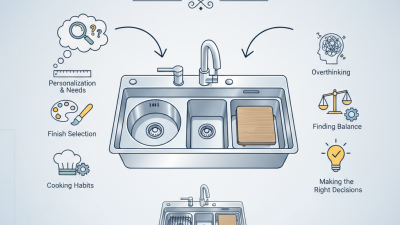
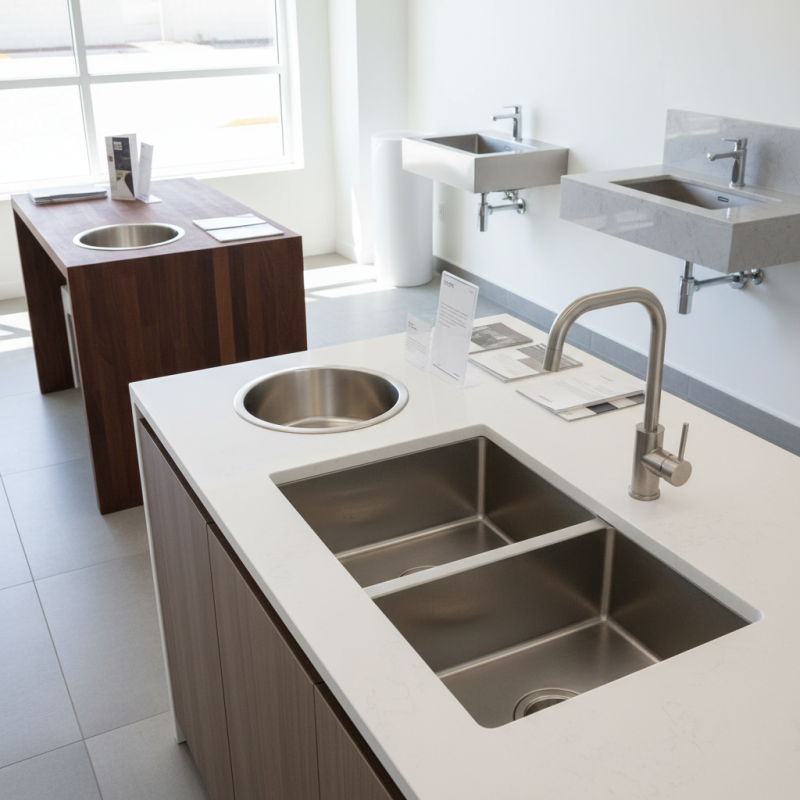
When selecting stainless steel sinks, several critical factors come into play. One of the primary aspects is the gauge of the steel. The gauge indicates thickness and strength. A lower number means a thicker sink. For most home applications, a gauge between 16 and 18 is advisable. According to data from the Kitchen & Bath Association, sinks of 16-gauge are less prone to denting and noise compared to their thinner counterparts.
Durability is another essential factor. Stainless steel sinks offer resistance to rust, stains, and scratches, but the quality of the alloy matters. Look for sinks made from 304-grade stainless steel, known for its superior corrosion resistance and strength. Furthermore, features like sound-deadening pads can enhance user experience. The National Association of Home Builders highlights that over 40% of homeowners prioritize noise reduction in their kitchen designs.
Finally, consider the sink's finish. Options like brushed or polished surfaces each have benefits and downsides. Brushed finishes hide fingerprints and scratches better but may require more frequent cleaning. Polished surfaces, although shiny and attractive, can show imperfections readily. It's important to weigh these choices based on your lifestyle and maintenance preferences.
Factors to Consider When Choosing Stainless Steel Sinks
Different Types of Stainless Steel for Kitchen and Bathroom Sinks
When selecting stainless steel sinks for your kitchen or bathroom, understanding different types of stainless steel is essential. Most sinks are made from either 304 or 430 stainless steel. The 304 grade is the most popular choice due to its high resistance to corrosion and rust. In contrast, 430 stainless steel is often less expensive but provides lower durability, making it more suitable for bathroom sinks.
Homeowners should consider the thickness of the material, too. A thicker gauge, like 16 or 18, tends to be more durable and quieter than a thinner gauge. Research indicates that sinks with a 16-gauge material can resist dents and scratches better than those made from 20-gauge.
Tip: Always check for surface finish. A brushed finish can hide scratches effectively. Alternatively, a mirror finish adds a striking visual appeal but shows fingerprints easily.
Another important aspect is the sink's resonance. Cheaper sinks often vibrate and create noise when water hits them. Investing a little more in a solidly constructed sink can save you from regrets later.
Tip: Consider sound-proofing features for a quieter kitchen environment. These may include rubber pads or sound-deadening coatings. A well-selected sink can enhance your kitchen's look and function, supporting your daily routine efficiently.
Size and Design Options for Optimal Functionality in Sinks
Choosing the right size and design for your kitchen and bathroom sinks is vital for enhancing functionality. Research indicates that 70% of homeowners prioritize sink size when renovating their spaces. A well-chosen sink can save you time and effort during daily tasks.
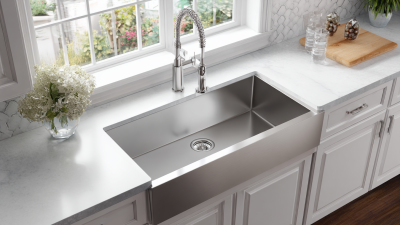
When selecting a kitchen sink, consider its depth and width. A deeper sink, around 10-12 inches, effectively accommodates large pots. Many designs allow for various configurations, such as single or double basins. In terms of bathrooms, the trend leans towards undermount sinks. They offer sleek aesthetics and easy maintenance. A standard size of 18-20 inches wide caters to most vanities.
However, it’s essential to reflect on your personal needs. Not everyone uses large pots, so deeper sinks might be overkill for smaller kitchens. Likewise, in compact bathrooms, a larger sink may disrupt the visual flow. Balancing these factors will lead to a more functional and attractive space.
Maintenance and Care Tips for Stainless Steel Sinks
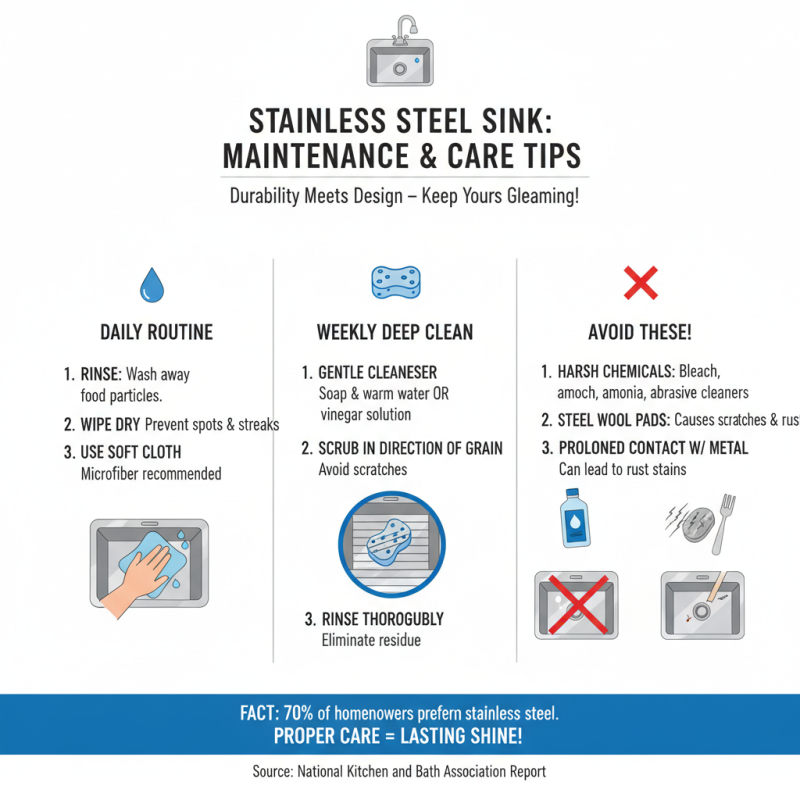
Stainless steel sinks are favored for their durability and sleek design. However, they require proper care to maintain their appearance and functionality. According to a report by the National Kitchen and Bath Association, nearly 70% of homeowners prefer stainless steel for its resistance to staining. Yet, many overlook maintenance needs.
Regular cleaning is essential. Use a mild detergent and soft cloth to wipe down the sink daily. This simple routine helps prevent water spots and keeps the surface shiny. Avoid using abrasive cleaners as they can scratch the finish. A mixture of vinegar and baking soda can effectively remove tough stains without damaging the sink.
Wear and tear happen over time. Small scratches and dents can accumulate, affecting the sink’s look. It’s advisable to clean them gently, but also possible to restore some minor blemishes with a polish designed for stainless steel. Regular inspection is crucial. Check for signs of corrosion or rust, particularly around the edges. Addressing these issues early can prolong the lifespan of your sink.
Budget Considerations for Stainless Steel Kitchen and Bathroom Sinks
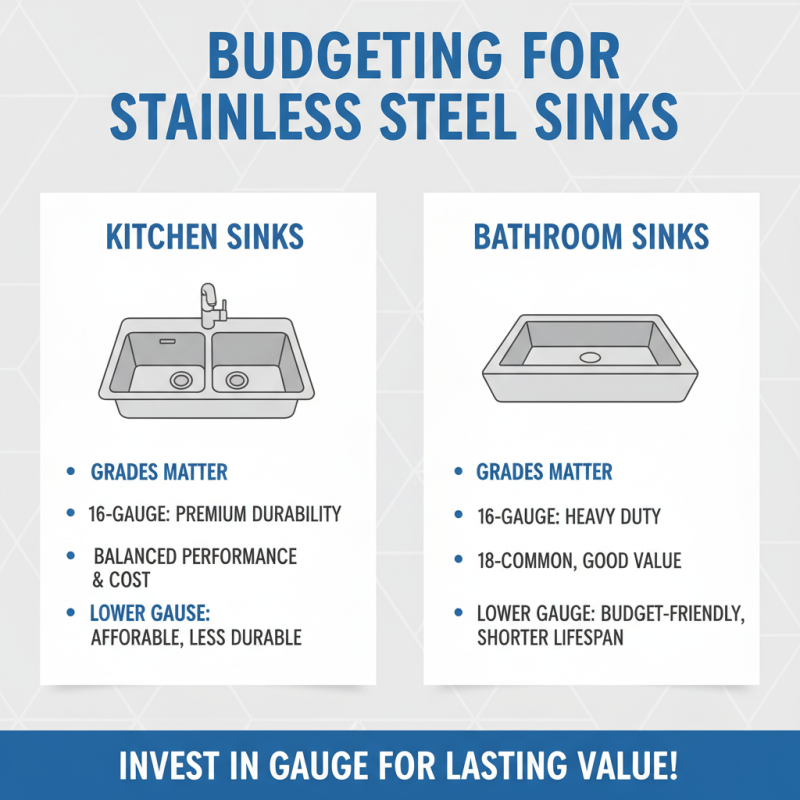
When considering stainless steel kitchen and bathroom sinks, budget is a key factor. Stainless steel comes in different grades, influencing prices significantly. A lower-grade sink may save money upfront, but durability could suffer. Look for sinks made from 16-gauge or 18-gauge steel for long-lasting performance.
Installation costs can also impact your budget. Professional installation might be needed for complex sink designs. This adds to your expenses. It’s crucial to evaluate the type of sink you want. A drop-in sink is often less expensive than an undermount option, which can create a sleek look but may cost more.
Furthermore, consider the size and shape. Standard sizes tend to be more affordable. Custom sizes or unique shapes can increase costs. Think about the features you truly need. Extra features such as sound-deadening pads or protective coatings might be appealing but can raise the price. Balancing your budget with these factors will guide you to a suitable choice.