What is the Best Stainless Steel Sink for Kitchen Bathroom Office?
When selecting the ideal Kitchen Bathroom Office Area Stainless Steel Sink, it's essential to consider various factors. Sinks are not just functional; they contribute to the overall aesthetic of the space. A suitable sink can enhance both beauty and utility.
Many options exist, each with specific pros and cons. Some stainless steel sinks are more durable, while others offer sleek designs. Reflecting on personal needs is crucial. Do you need a deep basin for washing large pots? Or do you prefer a minimalist style?
Choosing the right sink requires careful thought. The balance between appearance and functionality is delicate. In some cases, people overlook the importance of quality over style. Therefore, understanding your requirements and preferences can lead to a better choice. Investing time in research can save future regrets.
Types of Stainless Steel Sinks for Kitchen, Bathroom, and Office Use
When selecting a stainless steel sink, consider the different types available for various environments. Kitchen sinks often feature deeper basins. This design accommodates heavy pots and pans more easily. Popular options include single bowl and double bowl sinks. Each has unique benefits for food preparation and washing dishes.
For bathrooms, the sink’s style is equally important. A smaller lavatory sink can fit snugly in tight spaces. Pedestal sinks maintain a classic look while saving space. Wall-mounted sinks free up floor area, creating an airy feel. Regardless of style, rust resistance is key in maintaining cleanliness.
In office settings, the focus shifts to functionality. Utility sinks are practical for cleaning tools and equipment. They should be durable to withstand frequent use. On the flip side, decorative sinks can enhance an office's aesthetic. Choose finishes that align with the overall design. Overall, the best choice hinges on the specific needs and aesthetic preferences of the space.
Key Features to Consider When Choosing a Stainless Steel Sink
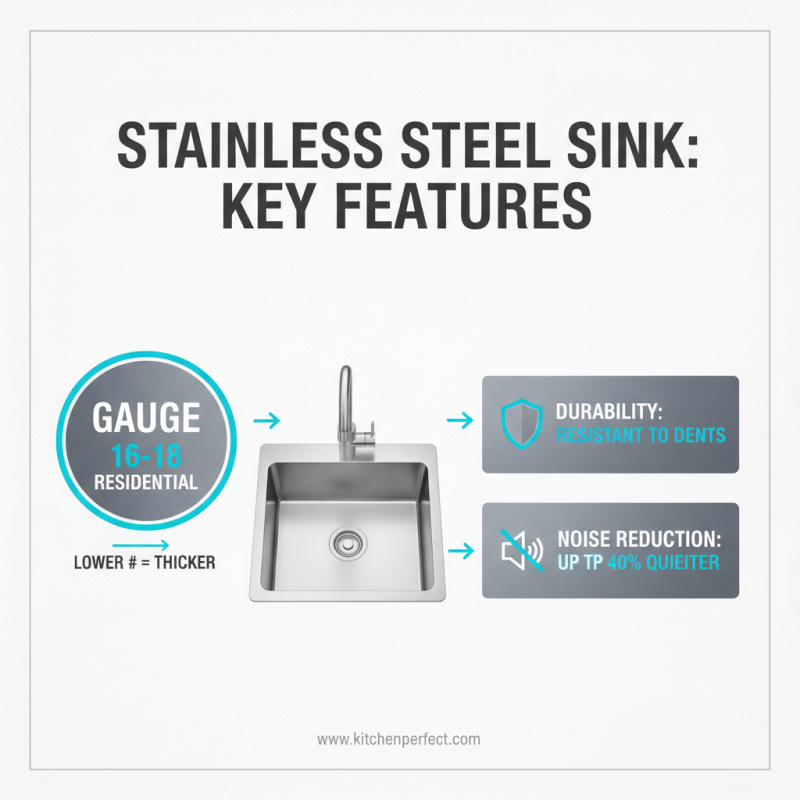
When selecting a stainless steel sink for your kitchen, bathroom, or office, several key features are vital. The gauge of the stainless steel affects both durability and noise levels. A 16 to 18 gauge is recommended for residential sinks. Sinks with a lower gauge material are thicker and more resistant to dents. Reports show that thicker stainless steel can cut noise by up to 40%.
Another essential factor is the finish of the sink. A brushed finish tends to hide scratches better than a polished one. Many homeowners prefer a satin or brushed finish due to its resistance to fingerprints. Moreover, larger basins provide more versatility for various tasks. A report from the Home Improvement Research Institute indicates that deeper sinks, around 10 inches, enhance convenience and usability for cleaning large pots.
When considering installation, drop-in and undermount styles present different benefits. Drop-in sinks are easier to install, while undermount sinks offer a seamless look and easier cleaning. Each option has pros and cons. Choosing the right configuration depends on your personal needs and kitchen design. The decision might require some reflection on your space and how you use it daily.
Comparing Different Stainless Steel Grades for Sink Durability
When selecting a stainless steel sink, understanding the grades is crucial. The durability of a sink largely depends on the stainless steel grade used in its construction. Common grades include 304 and 316 stainless steel. Grade 304 is known for its excellent corrosion resistance, making it popular for kitchen and bathroom sinks. However, it can be prone to scratches and dents over time.
In contrast, grade 316 offers superior durability. It contains molybdenum, which enhances its resistance to corrosion, especially in harsh environments. This makes 316 a better choice for commercial settings or homes near saltwater. However, it comes at a higher cost. It's worth noting that even the best sinks can have imperfections. Some may experience rust spots if not maintained properly.
Choosing a sink also involves considering thickness. The gauge refers to the thickness of the steel. A lower gauge number indicates thicker steel, which can withstand dents better. Many homeowners overlook this detail, leading to potential regrets later. Investing time to research the right grade is key for long-lasting satisfaction.
Comparing Stainless Steel Grades for Sink Durability
This chart compares the durability ratings of different stainless steel grades typically used in sinks, highlighting their strength, resistance to corrosion, and overall suitability for kitchen, bathroom, and office environments.
Installation Options for Stainless Steel Sinks: Pros and Cons
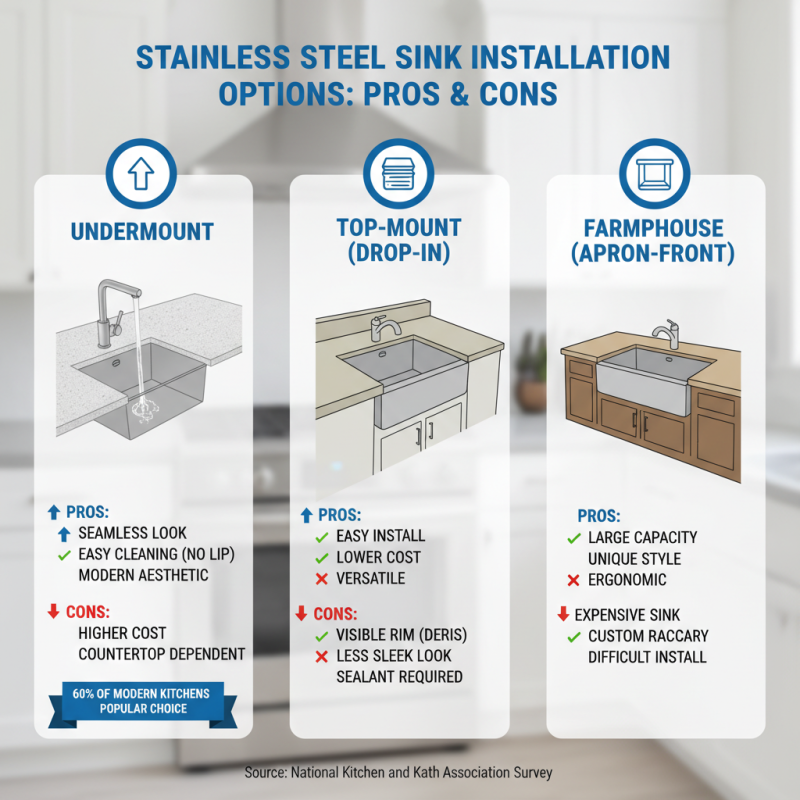
Choosing the right installation method for stainless steel sinks involves evaluating various options, each with unique advantages and disadvantages. Undermount sinks sit beneath the countertop, creating a seamless look. This design minimizes debris collection, making cleaning easier. However, installation can be complex and may require professional help, increasing costs significantly. According to a recent survey by the National Kitchen and Bath Association, undermount installations account for roughly 60% of all sink choices in modern kitchens, reflecting their popularity.
Drop-in sinks are another option. They are installed directly into a cutout in the countertop, making them easier to fit and replace. Their installation is less labor-intensive, appealing to many homeowners. However, the rim can trap dirt and moisture, complicating cleaning. The Home Improvement Research Institute mentions that around 30% of new sinks installed are drop-in types, highlighting their practicality. The choice fundamentally depends on personal needs and kitchen aesthetics, showcasing that even simple preferences can lead to different challenges.
Some may find farmhouse-style sinks appealing. This type can enhance rustic aesthetics but requires specific cabinetry. The installation may not be straightforward and often demands a redesign of existing spaces. As per the American Institute of Architects, about 15% of residential kitchens now feature farmhouse sinks, which shows a growing trend. Thus, weighing the pros and cons of each type is essential for making an informed decision.
Maintaining and Cleaning Stainless Steel Sinks for Longevity
Maintaining and cleaning stainless steel sinks is essential for longevity and functionality. Regular care keeps your sink looking new and prevents corrosion. Simple tasks can make a significant difference. For instance, rinse your sink after each use. This practice minimizes water spots and stains.
Use a soft cloth or sponge to clean. Avoid abrasive cleaners that can scratch the surface. Instead, opt for a mixture of vinegar and baking soda for tough stains. This natural solution is effective and safe. Additionally, always dry your sink promptly to avoid water marks.
Tips for keeping your sink pristine include using a designated sink mat. This can help prevent scratches and dents. Consider lemon juice for its natural polishing ability. Just apply and follow with water. Small preferences in maintenance can lead to better care. Remember to check for any signs of rust or damage periodically. Addressing these issues quickly is vital for extending your sink’s life.
What is the Best Stainless Steel Sink for Kitchen Bathroom Office? - Maintaining and Cleaning Stainless Steel Sinks for Longevity
| Sink Type |
Size (inches) |
Number of Bowls |
Thickness (Gauge) |
Price Range ($) |
Maintenance Tips |
| Drop-In Sink |
22 x 33 |
1 |
16 |
150 - 300 |
Use mild detergent and a soft cloth for cleaning |
| Undermount Sink |
30 x 18 |
2 |
18 |
200 - 400 |
Avoid harsh chemicals; rinse thoroughly |
| Farmhouse Sink |
33 x 20 |
1 |
16 |
250 - 500 |
Use baking soda for tough stains |
| Bar Sink |
15 x 15 |
1 |
20 |
100 - 200 |
Wipe daily with vinegar and water solution |
| Triple Bowl Sink |
40 x 20 |
3 |
16 |
300 - 600 |
Install a sink mat to prevent scratches |