What Is the 2026 Best Custom Stainless Steel Sink?
Choosing the 2026 best custom stainless steel sink is less simple than comparing photographs or polished showroom claims. The strongest option must balance durability, hygiene, usability, design flexibility, and long-term value. A reliable evaluation should examine stainless steel grade, material thickness, weld quality, corner construction, drainage, and surface finishing. It should also consider how the sink fits the countertop, cabinet structure, plumbing layout, and daily cooking habits. Small details matter. A deep bowl may hold large cookware, but it can also create shoulder strain during frequent washing. Brushed surfaces hide light scratches well, while mirror finishes reveal fingerprints quickly.
This guide explores what makes a Customization Stainless Steel Sink genuinely suitable for modern kitchens in 2026. Practical experience from fabrication and installation shows that accurate measurements often matter more than dramatic styling. The sink should arrive with consistent dimensions, clean seams, stable sound-dampening pads, and dependable after-sales support. Supplier documentation can also reveal steel composition, production controls, and testing practices. No ranking is flawless. Personal preferences, local water conditions, and installation skills can change the final choice. A sink that performs perfectly in a restaurant-style kitchen may feel excessive in a compact apartment. We will compare customization options, maintenance demands, ergonomic features, and expected service life. The goal is not to promote the most expensive model. It is to identify a well-made sink that remains practical after years of washing, cutting, rinsing, and everyday use.
Defining “Best” with AISI 304 Stainless Steel: 18% Chromium, 8% Nickel
The 2026 best custom stainless steel sink should begin with its material, not its appearance. AISI 304 is the familiar 18/8 stainless steel: approximately 18% chromium and 8% nickel. Chromium forms a passive protective film, while nickel improves corrosion resistance and supports a cleaner, brighter surface.
The chemistry matters most in daily use. According to ASTM A240/A240M requirements for 304 stainless sheet, chromium and nickel ranges must remain within controlled limits. That consistency helps custom fabricators produce reliable bowls, drainboards, and welded corners. The Nickel Institute also identifies 304 stainless steel as a common material for food-contact equipment because it resists many household acids and moisture. Still, it is not immune.
Maintenance remains practical. Wipe away salt, coffee, and acidic residue instead of letting them dry overnight. A soft cloth preserves the satin grain better than abrasive pads. Small details count. Tight corners can hold water. Poorly finished welds may stain first.
World Stainless reported global stainless steel production of about 58.4 million tonnes in 2023, showing the material’s broad industrial adoption. That scale supports dependable supply and familiar fabrication practices. However, popularity does not guarantee quality. I would not call every 304 sink “best.” Thickness, sound insulation, surface finishing, drainage slope, and weld craftsmanship can change the experience significantly. A perfect material specification can still produce an awkward sink.
Evaluating Custom Sink Dimensions, Bowl Depth, Drainage, and Workstation Design
What Is the 2026 Best Custom Stainless Steel Sink?
The best custom sink is not simply the largest one. Its dimensions should match cabinet width, counter clearance, and cooking habits. A 760 mm single bowl works well in many family kitchens. Smaller kitchens need tighter planning. Leave clear space beside the bowl for hot pans and a cutting board. Measurements can look perfect on paper yet feel cramped during use.
Bowl depth changes daily comfort. A 180–200 mm depth often balances capacity with easier access. Deeper bowls hold large pots, but they may strain your back. I once assumed deeper always meant better. That judgment was too simple. Drainage also deserves attention. A gently sloped base helps water move toward the outlet. A rear-positioned drain can protect cabinet storage, provided the plumbing lines up correctly.
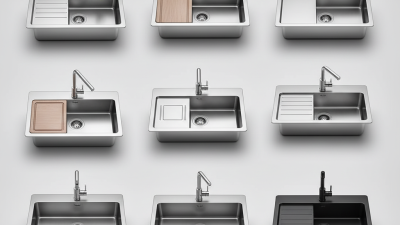
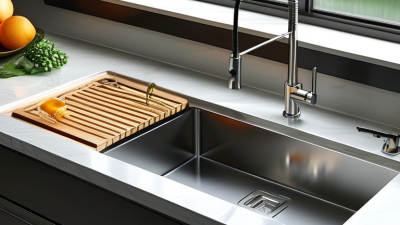
A workstation sink adds practical structure through integrated ledges, grids, colanders, and sliding boards. These accessories can turn one basin into a preparation area. Check their weight, cleaning needs, and storage position before choosing them. Sharp edges or poorly fitted parts quickly become annoying. Stainless steel thickness matters, but surface finish matters too. A satin texture hides small marks better than a highly polished surface. Even so, custom design cannot fix a poor workflow. The sink should follow how meals are actually prepared, washed, and cleared.
What Is the 2026 Best Custom Stainless Steel Sink? - Evaluating Custom Sink Dimensions, Bowl Depth, Drainage, and Workstation Design
Dimensions are practical custom-design reference ranges. Final sizing should account for cabinet width, countertop cutout requirements, faucet placement, plumbing clearance, insulation, mounting method, and local installation standards.
Checking NSF/ANSI 2 Compliance, Welding Quality, and Surface Finishes
What Is the 2026 Best Custom Stainless Steel Sink?
The best custom stainless steel sink in 2026 is not judged by appearance alone. It must support safe cleaning, dependable fabrication, and documented compliance. For food-service use, ask whether the sink is certified or evaluated against NSF/ANSI 2 requirements. This standard addresses sanitation, materials, construction, and cleanability. Do not accept a vague compliance claim. Request current documentation, including the applicable model, materials, and evaluation scope. Stainless steel should resist corrosion, but poor design can still trap food and moisture.
Welding quality deserves a close inspection. A sanitary weld should be continuous, smooth, and free from pinholes, cracks, sharp edges, and deep discoloration. Run a clean fingertip across the joint carefully. It should not catch. Internal corners need generous, washable radii rather than tight crevices. Experienced fabricators also check drain openings, splashbacks, brackets, and underside supports. One weak weld can create a difficult cleaning point. That detail is easy to miss.
Surface finish affects daily maintenance. A consistent brushed finish can hide light scratches and reduce visible water marks. A highly polished surface looks impressive, but it may show damage quickly. Rough grinding lines are unacceptable near food-contact areas. Ask how the surface was cleaned and passivated after welding. Even careful work can leave heat tint behind. I would inspect it under bright light before approval. The finish may look perfect in photographs, yet feel uneven in person. That is where judgment still matters.
Selecting the 2026 Best Custom Sink by Durability, Hygiene, and Total Cost
Choosing the 2026 best custom stainless steel sink starts with the work it must survive. In a busy kitchen, thick stainless steel resists dents, heat shock, and daily scrubbing. Material alone is not enough. Ask the fabricator for a verified steel grade, consistent thickness, and clean, fully finished welds. Rounded corners are easier to wipe than sharp internal angles. That small detail matters.
During site inspections, I look beneath the bowl as carefully as the visible surface. Poorly supported sinks can flex, loosen sealant, and collect water around the cabinet. A reinforced base, secure mounting, and properly positioned waste outlet reduce these risks. Hygiene depends on design and routine. A smooth, non-porous surface does not absorb food residue, but it still needs prompt cleaning. Choose gentle cleaners, rinse away chemicals, and dry the rim after use. Deep bowls are useful, yet excessive depth can strain backs and slow drainage. Do not ignore ergonomics.
Total cost includes fabrication, delivery, installation, plumbing changes, cleaning, and eventual repairs. A cheaper quote may hide thin material, awkward cutouts, or weak soundproofing. I have seen attractive sinks become expensive after one installation mistake. Still, even careful recommendations have limits. Household habits, water quality, cabinet strength, and local labor rates can change the result. Compare written specifications and warranty terms, then inspect a sample corner before approving production. Perfect choices are rare. Reliable decisions come from matching measurable performance with real daily use.
What Is the 2026 Best Custom Stainless Steel Sink?
Material selection should balance corrosion resistance, hygiene, and total cost. The comparison below uses a 0–100 evaluation index based on stainless-steel composition, resistance to chloride exposure, non-porous cleanability, and relative material cost. Scores are comparative indicators rather than brand-specific claims.
Key takeaway: Grade 304 offers the strongest overall balance for most kitchens because it combines high corrosion resistance, easy cleaning, and moderate cost. Grade 316 provides additional chloride resistance through molybdenum, making it suitable for coastal or highly corrosive environments, while Grade 430 is generally more budget-friendly but offers lower corrosion resistance.