Top 10 Stainless Steel Kitchen and Bathroom Sinks Choices?
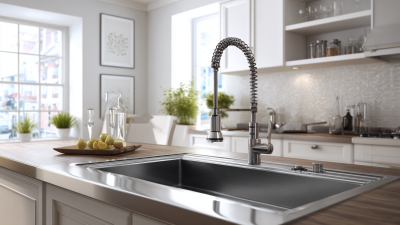
Choosing the right stainless steel kitchen and bathroom sinks can significantly enhance your space. With numerous options available, it can be daunting to find the perfect fit for your home. Stainless steel kitchen and bathroom sinks offer durability, elegance, and ease of maintenance. They come in various styles and sizes, catering to diverse tastes and needs.
When selecting a sink, consider both functionality and aesthetics. While modern designs may attract your eye, think about practicality. For instance, deeper sinks can make washing large pots easier. Also, explore different finishes, as they can affect how your sink integrates with your decor.
Many homeowners overlook the importance of quality. Not all stainless steel is created equal. It’s crucial to choose sinks that resist scratches and dents. Investing in well-made products can prevent early replacements. Ultimately, understanding your needs and preferences will guide your decision.
Understanding the Importance of Stainless Steel Sinks
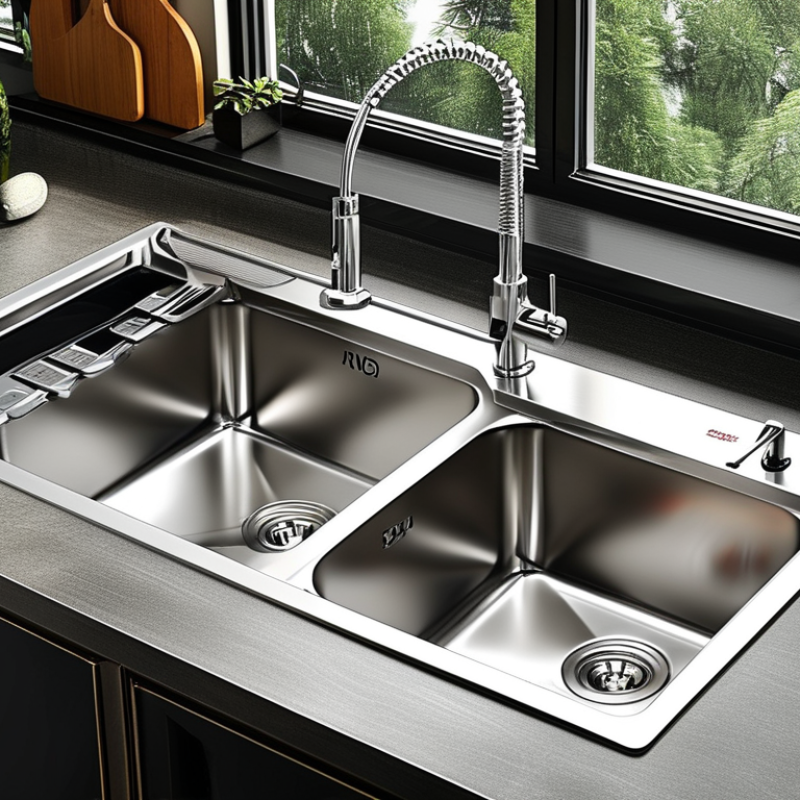
Stainless steel sinks are essential for any kitchen and bathroom. Their durability and resistance to rust make them a preferred choice. With the right care, these sinks can last for years. They resist heat and stains, which is useful in busy households. Choosing quality stainless steel is key. It ensures a smooth surface that’s easy to clean.
The variety of designs and sizes can be overwhelming. Consider your space carefully. Deeper sinks can handle larger pots, while shallow ones may be ideal for smaller kitchens. A brushed finish offers a modern look and hides scratches better than polished surfaces. It’s about blending functionality with style.
Installation can be tricky. Precision is vital to avoid leaks. Some homeowners might overlook the importance of a proper fitting. Maintenance is also essential. Regular cleaning prevents buildup and preserves shine. Inadequate maintenance can lead to issues over time. Reflect on how you use your sink daily. A thoughtful approach can enhance both aesthetics and longevity.
Key Features to Consider in Kitchen and Bathroom Sinks
When selecting kitchen and bathroom sinks, several key features demand attention. Firstly, the materials used can significantly affect durability and maintenance. Stainless steel is favored for its resistance to corrosion and ease of cleaning. However, thinner gauges may dent easily. Users should opt for a thick gauge for long-lasting strength.
Another essential feature is the sink's design. Factors such as depth and shape can influence functionality. A deeper sink can accommodate larger pots, but it may also require more bending. Consider how the sink integrates with your countertop. Proper alignment is crucial for aesthetics and hygiene.
The installation type is equally important. Drop-in sinks are easier to install, but undermount sinks create a seamless look. However, undermounts can be complex and require professional installation. It's worth reflecting on your skills versus the potential costs of hiring experts.
Lastly, faucet compatibility matters. Ensure the sink has pre-drilled holes that match your preferred faucet style. It's common to overlook this detail, leading to mismatched fittings. Thoughtful consideration of these features can help create a functional and stylish kitchen or bathroom space.
Top 10 Stainless Steel Sink Brands and Their Unique Offerings
When choosing a stainless steel sink, several brands stand out for their unique offerings. The market for stainless steel sinks has grown significantly, with a projected increase of 4% annually over the next five years. This growth reflects the popularity of these sinks in both kitchen and bathroom spaces.
Many manufacturers focus on durability and design. Some offer sinks with noise-reduction technology, which minimizes vibrations from running water. Others emphasize ease of cleaning, highlighting finishes that resist scratches and stains. The industry has reported that 70% of consumers prioritize these features when selecting a sink.
In contrast, not all brands provide equal quality. Some may skimp on material thickness, leading to a less durable product. This can result in dents or noise during use. Consumers should consider these factors and research brand reputations. Industry surveys reveal that up to 40% of homeowners regret not investing in a higher-quality sink. Thus, finding the right balance between cost and quality is essential for long-term satisfaction.
Comparative Analysis of Sink Sizes and Styles
Choosing the right sink for your kitchen or bathroom involves understanding sizes and styles. Recent research indicates that 70% of homeowners prioritize functionality over aesthetics when selecting sinks. The size of a sink can significantly affect its usability. For instance, single bowl sinks generally make cleaning larger pots easier, while double bowl designs offer more versatility.
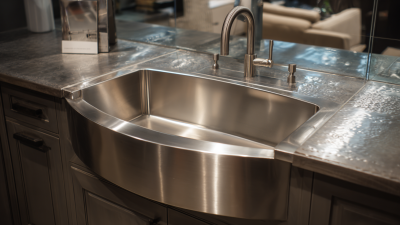
Style also plays a crucial role. Farmhouse sinks boast a deep basin, great for accommodating large dishes. In contrast, under-mount sinks create a seamless look, popular for modern kitchens. Data shows that over 60% of buyers trend towards undermount options due to their sleek appeal. However, some may struggle with installation, often requiring professional help.
When evaluating sink dimensions, it is vital to consider space limitations. A sink that is too large can overwhelm a small bathroom, while a small kitchen sink may not meet all cooking needs. Industry insights reveal that around 40% of customers face regrets regarding their size choices after installation. These reflections can highlight a common oversight: measuring workspace accurately before purchase is essential for a satisfactory sink experience.
Maintenance Tips for Long-lasting Stainless Steel Sinks
Maintaining stainless steel sinks is essential for their longevity and appearance. Regular cleaning plays a pivotal role in this process. Using mild soap and warm water is highly effective for daily cleaning. More abrasive cleaners can dull the surface. Research suggests that over 70% of sink damages occur due to improper cleaning practices.
After cleaning, drying the sink promptly is crucial. Water spots and stains can develop if moisture is allowed to linger. A soft cloth or paper towel can eliminate lingering water. Routine maintenance also includes checking for scratches or dents. A reported 40% of consumers experience issues with sink durability due to neglect.
Protecting your sink from extreme heat is vital. Placing hot pots directly onto the surface can cause warping. Using mats or trivets can mitigate this risk. Regularly inspecting the faucet and drain for leaks is advisable. Small leaks can lead to larger water damage over time. Always be proactive in preventing potential issues to ensure a long-lasting stainless steel sink.
Top 10 Stainless Steel Kitchen and Bathroom Sinks Choices
This chart displays the popularity ratings of the top 10 stainless steel sink choices, indicating their desirability based on consumer preferences. Ratings range from 1 to 10.