How to Choose Cheap High Quality Stainless Steel Sinks for Your Kitchen
In the realm of kitchen design, the choice of sinks has evolved into a critical decision for homeowners seeking value without compromising on quality. According to the American Kitchen and Bath Association, stainless steel is recognized for its durability and low maintenance, making it one of the most popular materials for kitchen sinks. Additionally, a report by IBISWorld states that the market for stainless steel sinks has seen steady growth, highlighting a burgeoning demand for "Cheap High Quality Stainless Steel Sinks" that combine affordability with longevity.
Industry expert John Anderson, a renowned kitchen and bath consultant, emphasizes the significance of this choice: “Investing in high-quality stainless steel sinks doesn’t have to break the bank; it's all about understanding where to look.” His insights amplify the importance of knowledge when navigating options that blend cost-effectiveness with superior craftsmanship. With a variety of factors to consider—such as gauge thickness, finish, and design—homeowners are encouraged to research and compare products that promise both functionality and aesthetic appeal. As we delve deeper into the nuances of selecting the right sink, it is essential to focus on finding those cheap yet high-quality options that elevate your kitchen space without straining your budget.
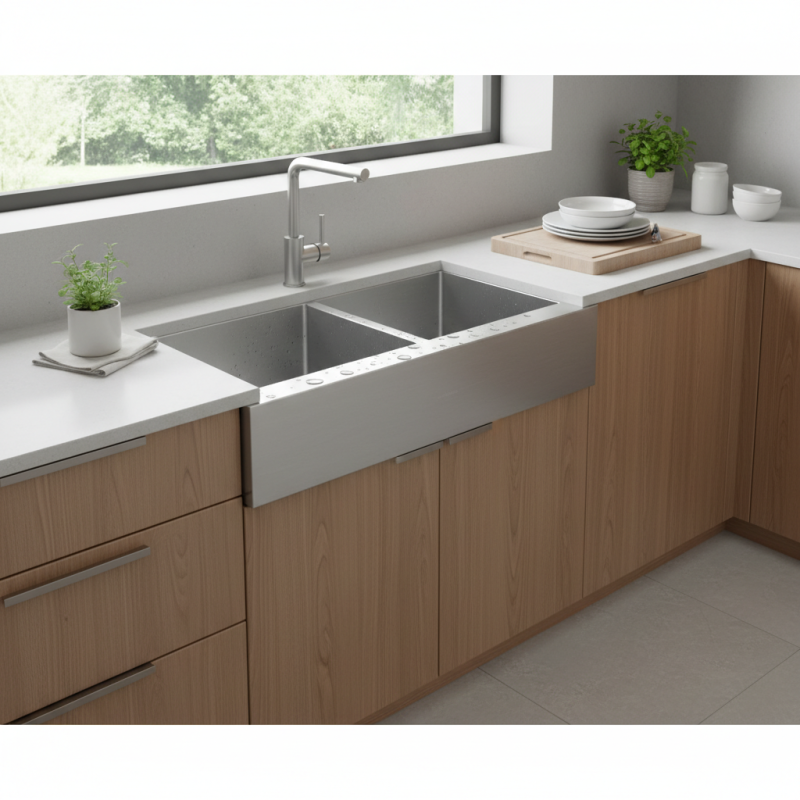
Understanding Different Grades of Stainless Steel for Sinks
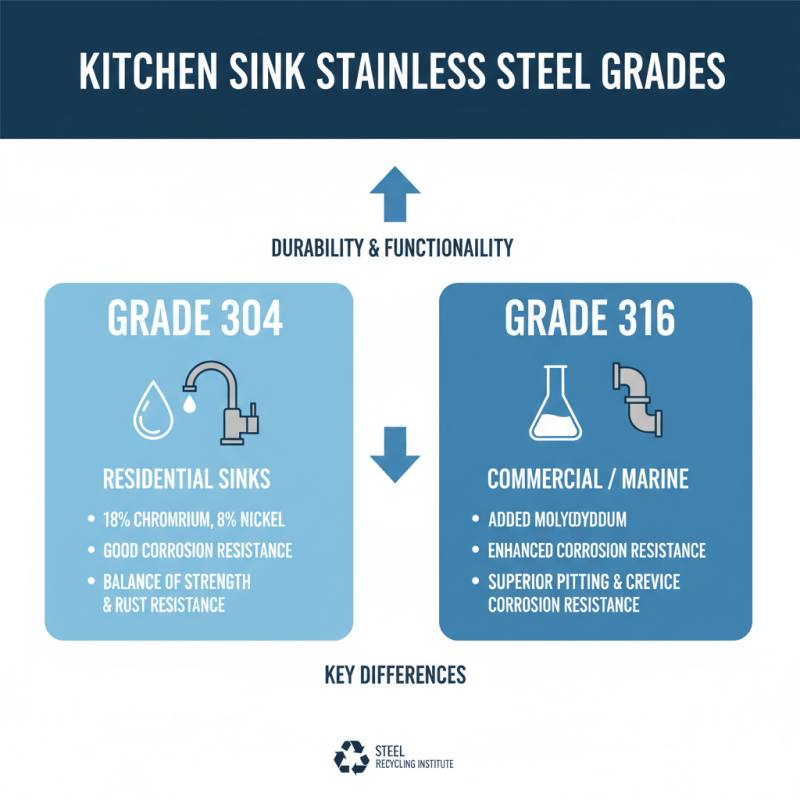
When selecting a stainless steel sink for your kitchen, understanding the grades of stainless steel is crucial to ensure durability and functionality. The most common grades used for kitchen sinks are 304 and 316. Grade 304 stainless steel is known for its excellent corrosion resistance and is widely used in residential sinks. According to a report by the Steel Recycling Institute, 304 stainless steel contains 18% chromium and 8% nickel, which provides a good balance of strength and resistance to rust and tarnishing. This makes it an ideal choice for areas that experience frequent moisture.
On the other hand, Grade 316 stainless steel is often referred to as marine-grade due to its enhanced resistance to corrosion caused by saltwater and harsh chemicals. It includes molybdenum, making it more durable—especially in coastal regions or environments that use salt. The International Stainless Steel Forum notes that while 316 may be more expensive than 304, its longevity and resistance to pitting can result in lower overall maintenance costs over time. Choosing between these grades involves considering both your budget and the specific conditions of your kitchen environment, which can greatly influence the sink’s performance and lifespan.
Comparison of Cost vs. Quality in Stainless Steel Kitchen Sinks
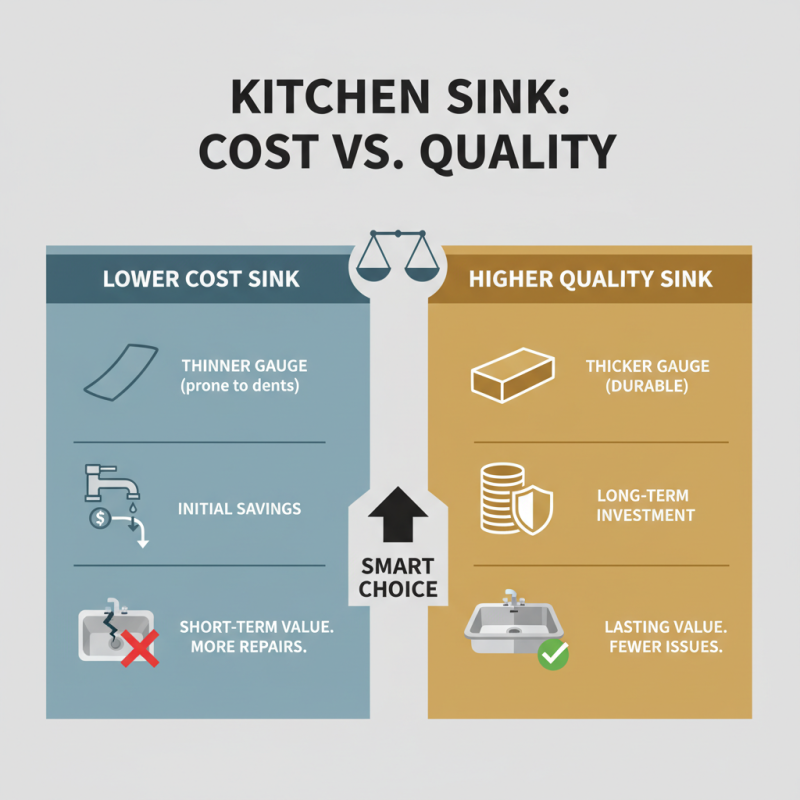
When selecting a stainless steel sink for your kitchen, the balance between cost and quality is crucial. Stainless steel sinks can vary significantly in price, often influenced by factors such as thickness, gauge, finish, and additional features like soundproofing. A lower-priced sink may seem appealing initially, but it’s important to consider the long-term value of investing in a high-quality product. Thicker gauge stainless steel often offers better durability and resistance to dents and scratches, which can save money on replacements or repairs in the future.
While a budget-friendly option might cut costs, it could sacrifice essential qualities such as aesthetic appeal and longevity. Cheaper sinks may be made from thinner materials, resulting in a less sturdy installation and a higher likelihood of damage over time. Conversely, investing in a high-quality stainless steel sink can enhance your kitchen's overall functionality and aesthetic, making it a wise choice for homeowners who prioritize both performance and style. Thus, when comparing cost versus quality, assessing the durability and features of stainless steel sinks is essential for ensuring a satisfactory and lasting purchase.
Key Features to Look for in Budget-Friendly Stainless Steel Sinks
When searching for budget-friendly stainless steel sinks, several key features are essential to consider. First and foremost, gauge thickness plays a significant role in the durability and overall quality of the sink. A lower gauge number typically indicates a thicker and more sturdy material, which translates to increased resistance against dents and scratches. Opting for a sink with a gauge of 16 or 18 can ensure longevity without breaking the bank.
Another important feature is the finish of the sink. Look for a brushed or satin finish, as these are not only aesthetically pleasing but also more resistant to showing water spots and fingerprints. Additionally, consider the design and functionality of the sink. A deep basin allows for easier dishwashing and food preparation while minimizing splashes. Furthermore, models with sound dampening pads can significantly reduce noise when dishes are placed into the sink, enhancing your kitchen experience. By focusing on these key aspects, you can find a high-quality stainless steel sink that fits your budget while maintaining essential functionality.
How to Choose Cheap High Quality Stainless Steel Sinks for Your Kitchen - Key Features to Look for in Budget-Friendly Stainless Steel Sinks
| Feature |
Description |
Importance |
| Material Gauge |
Thickness of the stainless steel, typically 16-18 gauge for durability. |
High gauge indicates better quality and resistance to dents. |
| Finish |
Brushed or polished finish that affects both appearance and maintenance. |
Brushed finishes hide scratches better; polished finishes are more reflective. |
| Soundproofing |
Features like sound dampening pads to minimize noise. |
Reduces clanking sounds when dishes are placed in the sink. |
| Drainage Design |
Slope and drain placement for efficient water drainage. |
Poor drainage can lead to standing water and bacteria growth. |
| Size and Configuration |
Variety of sizes (single/double) to fit kitchen space and needs. |
Choosing the right size is essential for functionality. |
Industry Insights: Top Brands Offering Affordable Stainless Steel Sinks
When selecting stainless steel sinks for your kitchen, cost-effective options can still offer high quality. According to industry reports, the stainless steel sink market is projected to grow steadily, influenced by factors such as affordability and durability. Notably, quality stainless steel sinks are usually made from a minimum of 18/10 gauge stainless steel, providing resistance to corrosion and scratches, essential for long-lasting performance in any kitchen environment.
Several top brands in the market are focusing on delivering affordable yet high-quality stainless steel sinks. Industry insights highlight that the average price range for durable stainless steel sinks is between $200 to $500, depending on size and features. Reports show that consumers increasingly favor double basin sinks, which are not only practical but also economically viable. They provide the flexibility needed for modern culinary tasks while being accessible to a broader audience. As more manufacturers optimize their production processes, customers can find premium-looking designs without a hefty price tag, ensuring both style and functionality in their kitchen renovation projects.
Affordable Stainless Steel Sinks Quality Comparison
Maintenance Tips to Extend the Lifespan of Your Stainless Steel Sink
Maintaining the integrity and appearance of your stainless steel sink is essential for prolonging its lifespan and ensuring it remains a centerpiece in your kitchen. One of the key practices is to clean the sink regularly using a mild detergent and warm water. Avoid abrasive cleaners or scrubbing pads, as they can scratch the surface, leading to rust and discoloration. After cleaning, rinse thoroughly and dry the sink with a soft cloth to prevent water spots and mineral buildup, which can detract from its shine.
In addition to regular cleaning, it's crucial to avoid leaving acidic or harsh substances in the sink for prolonged periods. Items such as citrus juice, vinegar, or bleach can corrode the stainless steel surface if left to sit. Another helpful tip is to use a sink mat or grid to protect the bottom from scratches and dents, especially when placing heavy pots or pans. By incorporating these maintenance tips into your routine, you can ensure that your stainless steel sink not only looks great but also serves your kitchen for many years to come.