How to Choose the Best Stainless Steel Kitchen and Bathroom Sinks?
When it comes to selecting Stainless Steel Kitchen and Bathroom Sinks, understanding the nuances is essential. In recent market studies, stainless steel sinks account for over 60% of the residential sink market. This statistic underscores their popularity and necessity in modern home design. Their durability and resistance to corrosion make them a top choice among homeowners and designers alike.
However, not all stainless steel sinks are created equal. Factors such as gauge, finish, and configuration significantly influence performance and aesthetics. For instance, a lower gauge (thicker) steel typically offers better durability. Unsuitable choices, like opting for a higher gauge, can lead to disappointing experiences, such as dents and scratches that accumulate over time.
Moreover, the consumer's decision-making process can often be clouded by overwhelming options. Research shows that many shoppers struggle with balancing quality and price. Understanding the key features and practical implications of different stainless steel options can lead to more satisfactory choices for both kitchen and bathroom spaces. Choosing the right sink is not just about style; it's also about enhancing functionality in everyday use.
Types of Stainless Steel Sinks: Kitchen vs. Bathroom Options
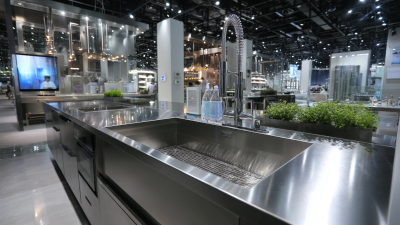
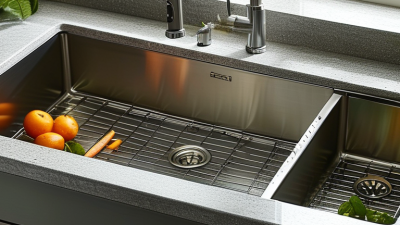
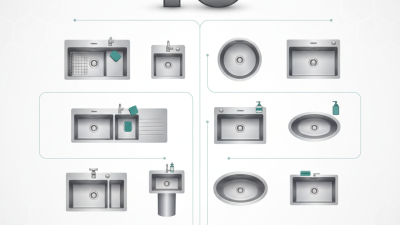
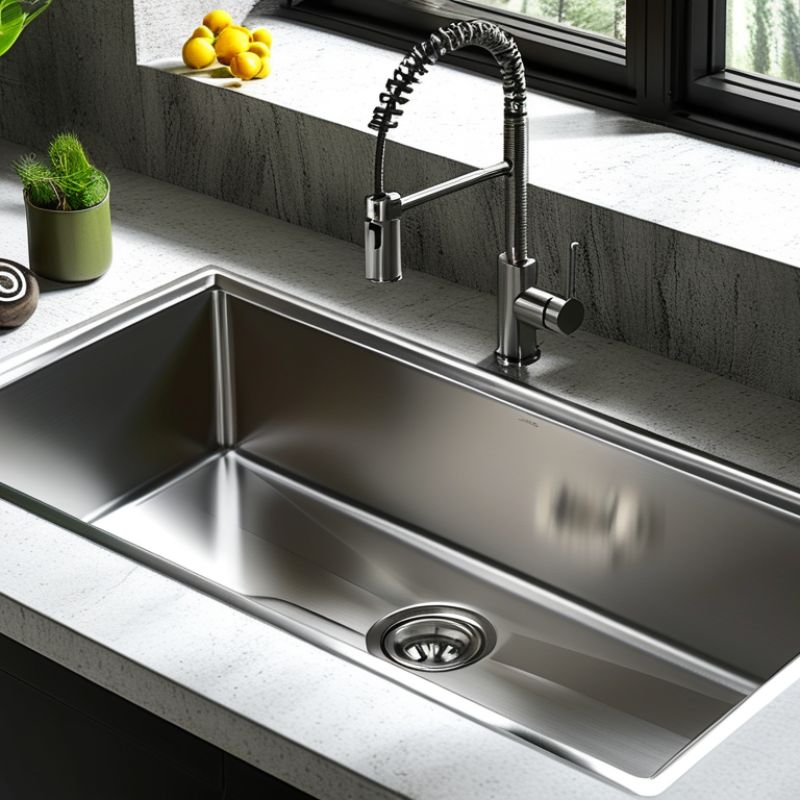
When selecting a stainless steel sink, it's essential to consider the differences between kitchen and bathroom options. Kitchen sinks are generally larger and deeper, accommodating larger pots and pans. They often have features like double basins or integrated accessories, allowing for multitasking while cooking. Stainless steel in kitchens needs to be durable, resistant to scratches, and easy to clean, as food debris and liquids are regular nuisances.
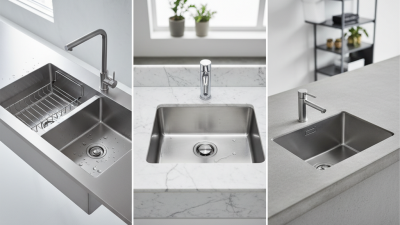
Bathroom sinks are usually more compact and designed for lighter use. They often come in various shapes, from oval to rectangular, to fit various styles. While they may not require the same level of robustness as kitchen sinks, they still benefit from the non-porous quality of stainless steel, which helps maintain hygiene. Choosing the right design and size for your bathroom is crucial, as it impacts your overall decor and functionality.
Consider the installation method as well. Kitchen sinks may require undermount or drop-in setups, depending on the countertop type. Bathroom sinks often offer more flexibility with pedestal, countertop, or wall-mounted designs. Reflect on how each option fits into your space, your daily routines, and aesthetic preferences. Making the right choice can enhance both the practicality and beauty of your home.
How to Choose the Best Stainless Steel Kitchen and Bathroom Sinks? - Types of Stainless Steel Sinks: Kitchen vs. Bathroom Options
| Sink Type |
Material Gauge |
Installation Type |
Typical Size (inches) |
Best Use |
| Kitchen Sink |
16-18 Gauge |
Top-mount / Undermount |
30-36 |
Cooking & Dishwashing |
| Bathroom Sink |
18-20 Gauge |
Vessel / Drop-in |
20-24 |
Handwashing & Grooming |
| Farmhouse Sink |
14-18 Gauge |
Apron-front |
33-36 |
Large Cooking Tasks |
| Drop-in Sink |
18 Gauge |
Top-mounted |
24-30 |
Easy Installation |
| Wall-mounted Sink |
20 Gauge |
Wall-mounted |
18-24 |
Space-saving in Small Bathrooms |
Considerations for Size and Installation of Stainless Steel Sinks
When choosing stainless steel sinks, size and installation are critical factors. A sink's dimensions should match your kitchen or bathroom layout. Standard kitchen sinks typically measure between 22 to 33 inches in width. In bathrooms, sizes tend to range from 18 to 24 inches. However, a larger sink may be suitable for a busy kitchen environment where multiple users are present. It is essential to consider cabinet dimensions as well, ensuring that there is no conflict during installation.
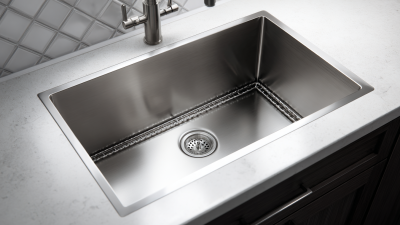
Installation style is another vital consideration. Stainless steel sinks can be top-mount, undermount, or farmhouse style. Each type requires different cabinetry setups. Top-mount sinks are easier to install, while undermount sinks provide a seamless look. A report by the National Kitchen & Bath Association indicates that around 65% of homeowners prefer undermount options for their sleek appearance. However, such styles may require precise measurement and potential countertop adjustments, increasing installation complexity.
Potential issues arise if measurements are incorrect. A sink that is too deep might hinder access to plumbing. Similarly, misjudging the sink's size could lead you to purchase the wrong cabinet. This results in extra costs and time delays. Accurate installation considerations will lead to a better-functioning sink that meets your needs. Always double-check measurements before finalizing your choice.
Choosing the Right Gauge Stainless Steel for Durability
When selecting the right gauge stainless steel for sinks, you must prioritize durability. Stainless steel gauges typically range from 16 to 22. A lower gauge means thicker steel, which translates to increased strength and resistance to denting. For kitchen sinks, opt for a gauge between 16 and 18. This thickness can handle heavy pots and pans, keeping your sink looking pristine for years.
Choosing the right gauge also matters in bathrooms. A 20-gauge stainless steel sink is often sufficient. It provides enough durability without being overly heavy. However, a sink that is too thin may warp over time, affecting its functionality. This is an important consideration, as bathroom sinks often experience regular use.
Evaluate your lifestyle. If you frequently use heavy items, go for thicker steel. Thinner sinks might be tempting for their cost-effectiveness, but they can lead to regret over time. A well-crafted sink can elevate the aesthetics of your space, so ensure that you invest in quality. When in doubt, consider consulting professionals for guidance on the best choice for your specific needs.
Finishes and Styles: What to Look for in Stainless Steel Sinks
Choosing the right finish for stainless steel sinks can be challenging. The finish affects both aesthetics and functionality. Common finishes include brushed, polished, and satin. Brushed finishes are popular for their durability and resistance to scratches. They hide fingerprints well, making them ideal for busy kitchens or bathrooms. Polished finishes, while visually striking, require more maintenance to keep them looking pristine.
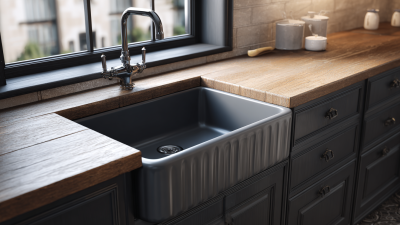
When considering styles, think about how the sink fits with your overall décor. Farmhouse sinks have gained popularity for their classic look. However, they may require more counter space. Undermount sinks provide a seamless appearance. This style can create an illusion of more space, but it is essential to ensure proper installation. A poorly installed undermount sink can lead to leaks and damage.
It’s important to reflect on your needs. If you cook often, a deeper sink can be more practical. For bathrooms, a shallow sink might suffice. Additionally, consider the noise level. Some sinks come with sound-deadening mats, which can be beneficial in a busy household. Balancing aesthetics with practicality is key to finding the perfect stainless steel sink for your space.
Essential Features and Accessories for Stainless Steel Sinks
Choosing the right accessories for stainless steel sinks greatly enhances functionality and aesthetics. A well-designed sink can transform your kitchen or bathroom. Consider sink grids, which protect the surface from scratches. They also help with draining, ensuring water flows away efficiently. Sink strainers are essential too. They catch food particles and debris, preventing clogs and maintaining drainage.
Another important feature to consider is soundproofing. Many stainless steel sinks come with sound-dampening pads. These pads minimize noise when washing dishes or running water. This feature adds a layer of comfort, especially in busy kitchens. Furthermore, selecting the right basin depth matters. A deeper sink allows for larger pots and pans, making washing easier.
Do not overlook the faucet compatibility. Ensure your faucet matches the sink’s style and height. A mismatch can disrupt the overall look. Consider adding a soap dispenser or a pull-down sprayer for added convenience in daily tasks. Evaluate your needs critically. Make decisions based on how you cook or clean. Sometimes, less is more, and simplicity can lead to better functionality.