How to Choose the Best Stainless Steel Kitchen and Bathroom Faucet?
Choosing the right Stainless Steel Kitchen and Bathroom Faucet can significantly enhance your home’s functionality and aesthetic appeal. According to a report by the Kitchen and Bath Industry Show (KBIS), stainless steel faucets are known for their durability and resistance to corrosion, making them a popular choice among homeowners. Expert Michael James, a senior analyst in plumbing fixtures, states, "Selecting the right faucet is not just about style; it’s about quality and longevity."
Investing in a high-quality Stainless Steel Kitchen and Bathroom Faucet is essential. Low-quality faucets may lead to issues like leaks or rust within a few years. A study by the Faucet Manufacturers Association revealed that a well-chosen stainless steel faucet can last over 15 years with minimal maintenance. However, many consumers often overlook critical features such as spout reach and height, which can affect usability.
Moreover, while aesthetics play a crucial role, functionality should never be sacrificed. Many find themselves regretting a hurried decision only to realize that the faucet does not match their kitchen workflow. Making an informed choice requires careful evaluation of both style and practicality, as the faucet is a pivotal element of daily routines. Choosing wisely will pay off in the long run.
Understanding Different Types of Stainless Steel Faucets Available
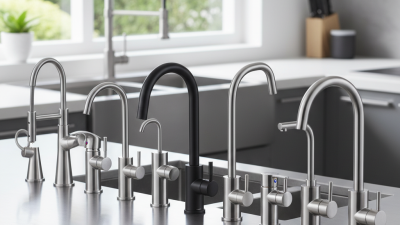
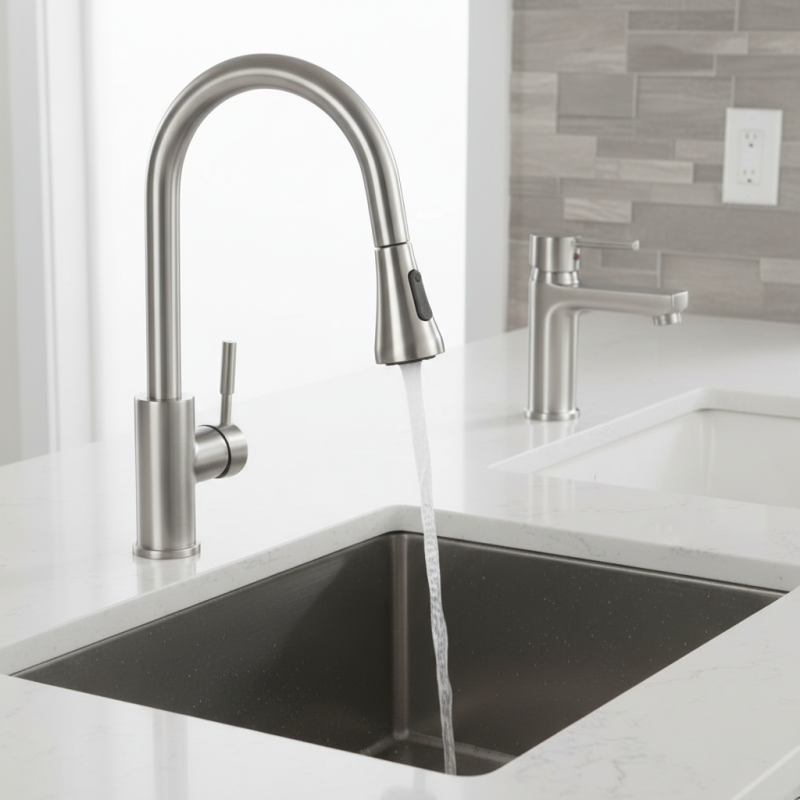
Stainless steel faucets come in various styles, each with unique features. One popular type is the pull-down faucet. This design offers convenience and flexibility when washing dishes or rinsing vegetables. According to the American Society of Plumbing Engineers, pull-down faucets have gained significant popularity, making up about 30% of faucet sales. Their extendable hoses allow for better reach, especially in deep sinks.
Another common option is the single-handle faucet, which typically features a lever that controls both water temperature and flow. This design appeals to many homeowners for its ease of use. However, some might find it challenging to achieve precise temperature control. Studies indicate that around 25% of users experience difficulty, leading to frustration during daily tasks. Addressing this concern can enhance overall user satisfaction.
Lastly, there are wall-mounted faucets, which save counter space and offer a unique aesthetic. These faucets are often used in modern and minimalist designs. However, installation can be more complex, requiring professional plumbing services. This complexity often leads to higher installation costs, which some homeowners may not anticipate. Balancing style with practicality is crucial when choosing the right faucet for your space.
Evaluating Faucet Features: Style, Finish, and Functionality
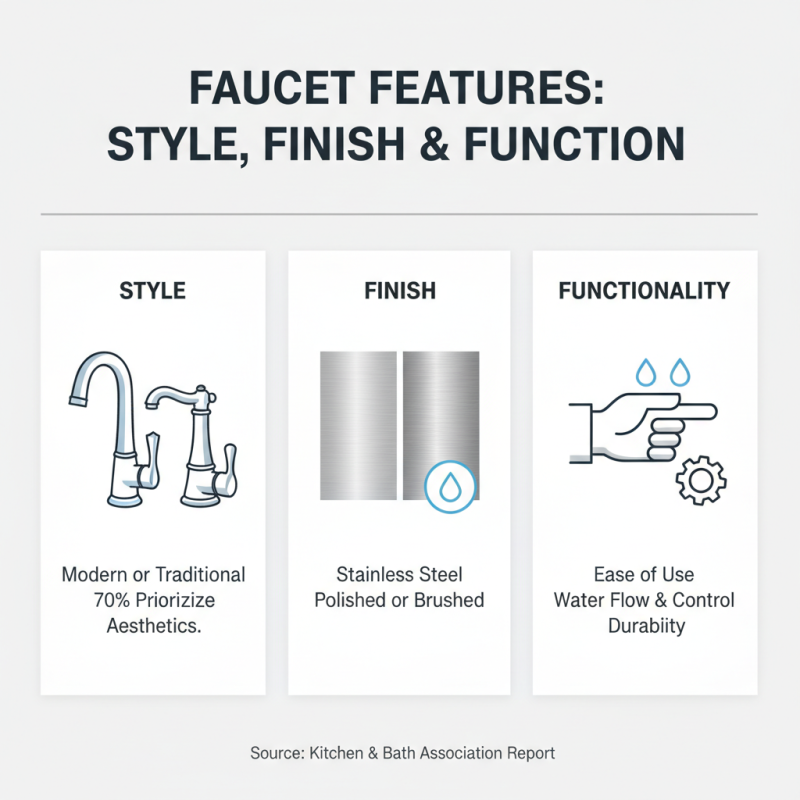
When selecting a stainless steel kitchen or bathroom faucet, consider its features carefully. Style is essential, whether you prefer modern or traditional designs. A report from the Kitchen and Bath Association highlights that 70% of homeowners prioritize aesthetics when upgrading their fixtures. The right faucet enhances your space's overall look and feel, making it an essential choice.
The finish of your faucet also matters. Polished chrome remains popular for its shiny appearance, while brushed nickel offers a more muted, sophisticated look. The finish affects not only aesthetics but also durability. Research indicates that finishes like PVD or electroplating can significantly increase resistance to tarnishing, making them ideal for high-use areas.
Functionality is equally crucial. Look for features such as pull-down sprayers for kitchens or water-saving aerators for bathrooms. These innovations improve user experience and conserve water, aligning with the increasing demand for eco-friendly solutions. Tips: Always check the flow rate, aiming for 1.5 gallons per minute or less to save water effectively. Evaluate the warranty carefully, as reliable products often come with extended coverage. Designing a perfect space requires effort and thoughtfulness, especially when it comes to fixtures that reflect your style and uphold sustainability.
Key Considerations for Faucet Installation and Compatibility
When installing a faucet, compatibility is crucial. Ensure the faucet fits your sink’s configuration.
Consider the number of holes in your sink. A single-hole faucet requires only one opening. A widespread faucet may need three.
Measure the distance between holes for a precise installation.
Water pressure and plumbing connections can also impact your choice. Check existing water lines before purchasing.
High pressure can be advantageous, but too much can cause leaks. Moreover, choose a faucet that works with your water supply.
Some faucets require specific types of supply lines.
Keep in mind the style and finish of the faucet as well. It should match the overall aesthetic of your kitchen or bathroom.
However, not all finishes are created equal. Some may tarnish or scratch easier than others.
Choose wisely to avoid future dissatisfaction. Consider reading reviews and gathering opinions for a more informed decision.
Assessing Durability and Maintenance of Stainless Steel Faucets
When selecting stainless steel faucets, durability and maintenance play a crucial role. Stainless steel is known for its resistance to corrosion and stain. According to a report by the Kitchen and Bath Association, around 70% of homeowners prioritize durability when choosing fixtures. This material can endure everyday wear and tear, especially in high-use areas like kitchens and bathrooms.
However, not all stainless steel is equal. The alloy composition greatly affects resistance to tarnishing and scratching. Data from industry experts suggest that faucets with a higher nickel content, around 10-12%, show better resilience. Regular cleaning with mild soap can maintain the faucet’s appearance. Yet, harsh chemicals can cause damage, which is a common mistake many homeowners make. Regular maintenance is essential, but it sometimes gets overlooked.
Moreover, while stainless steel offers many benefits, it can still develop water spots and fingerprints. Many users express frustration over frequent cleaning needs. Investing in a faucet with a brushed finish can mitigate this downside, as it hides blemishes better. Overall, understanding the material's properties and maintenance requirements can significantly enhance your experience with stainless steel faucets.
How to Choose the Best Stainless Steel Kitchen and Bathroom Faucet? - Assessing Durability and Maintenance of Stainless Steel Faucets
| Feature |
Stainless Steel Type |
Durability Rating |
Maintenance Level |
Corrosion Resistance |
| Material Quality |
304 Stainless Steel |
High |
Low |
Excellent |
| Finish Type |
Brushed Finish |
Medium |
Medium |
Good |
| Design Style |
Modern |
High |
Low |
Excellent |
| Warranty Period |
Lifetime |
High |
Low |
Excellent |
| Price Range |
$$ to $$$ |
Varied |
Medium |
Good |
Budgeting: Price Range and Value Comparison of Faucets
When selecting a stainless steel kitchen or bathroom faucet, budgeting is crucial. The average price for quality faucets ranges from $100 to $500. Higher-end models can exceed $1,000. A study published by the National Kitchen and Bath Association indicates that homeowners spend around 15% of their renovation budget on faucets. This highlights the importance of choosing wisely.
Value comparison is also essential. Faucets at lower price points may offer limited features and durability. Reports suggest that faucets priced between $200 and $400 often provide better warranties and materials. Investing in a slightly more expensive faucet may save money over time due to fewer repairs and replacements. However, not all expensive faucets guarantee superior performance. Many mid-range options perform well and are built to last.
Buyers must consider not just the price, but also the long-term value. Reviews can fluctuate, and some high-priced faucets do not always impress users. It's essential to read customer feedback and ratings. Reliable industry reviews indicate that well-known brands dominate the market, but smaller brands can offer competitive quality. Balancing price, functionality, and appearance is key to making an informed decision.
Price Range and Value Comparison of Stainless Steel Faucets