China Best SUS304 Stainless Steel Kitchen Faucet Supplier?
Choosing the China Best SUS304 Stainless Steel Kitchen Faucet Supplier requires more than comparing prices and polished photographs. The Sus304 Stainless Steel Kitchen Faucet market is growing with demand for hygienic, durable, and low-maintenance kitchen hardware. The International Stainless Steel Forum reported global crude stainless steel production at approximately 58.4 million tonnes in 2023, showing the material’s continuing industrial importance. However, steel volume does not guarantee faucet quality.
Harry Brearley, the British metallurgist credited with developing stainless steel, reportedly said, “The real test of stainless steel is that it does not stain.” That principle still matters beside a busy kitchen sink. A reliable supplier should identify SUS304 composition, provide corrosion-testing evidence, and explain plating, cartridge, hose, and aerator specifications. NSF/ANSI/CAN 61 and ASME A112.18.1/CSA B125.1 are useful reference standards for material safety and plumbing performance. Certification is not decoration.
Look closely.
Industry research from Grand View Research and Fortune Business Insights indicates strong long-term growth in kitchen faucet demand, driven by renovation, water efficiency, and modern home design. Yet, market forecasts can vary because research firms use different definitions and regions. Buyers should not treat every forecast as certainty.
A practical evaluation includes factory audits, batch traceability, salt-spray results, pressure testing, and sample inspection. SUS304 may resist ordinary corrosion, but poor welding or contaminated finishing can still create rust marks. That uncomfortable detail is often overlooked. The best China supplier combines documented material control, consistent production, responsive engineering support, and transparent export compliance. This introduction examines those criteria before recommending any manufacturer.
What Is a SUS304 Stainless Steel Kitchen Faucet?
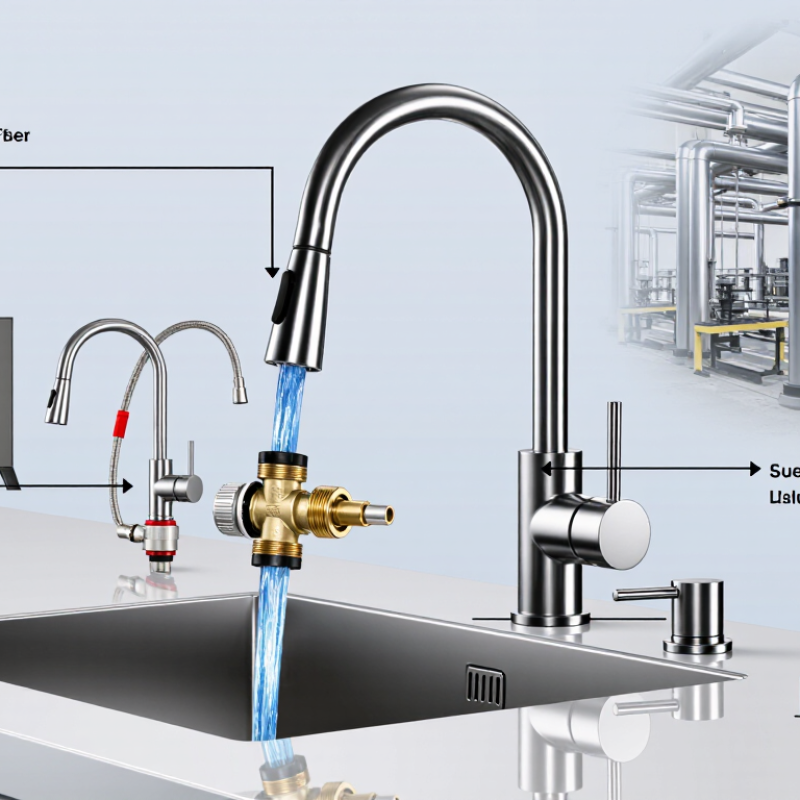
A SUS304 stainless steel kitchen faucet is made from an austenitic stainless steel alloy containing roughly 18% chromium and 8% nickel. Chromium forms a thin protective layer on the surface. This layer helps the faucet resist rust, moisture, and everyday kitchen splashes. Nickel improves toughness and supports a smoother, more stable finish.
In practical inspections, the material itself is only part of the story. A well-made SUS304 faucet should have even polishing, clean welds, and no sharp edges around the spout or handle. Internal water passages also deserve attention. Poor casting, thin walls, or weak connections can cause leaks, even when the label says SUS304. It is not magic.
SUS304 performs well near sinks, but it is not completely stain-proof. Salt, acidic cleaners, and standing water may leave marks over time. Wipe the surface with a soft cloth and mild soap. Avoid abrasive pads and harsh chlorine products. A magnet test is not fully reliable, because forming and processing can change magnetic behavior. Buyers should check material certificates, product specifications, and testing records from the supplier. One overlooked detail can matter: the cartridge, hoses, and finish should also suit regular kitchen use.
Why Choose a China-Based Kitchen Faucet Supplier?
Choosing a China-based kitchen faucet supplier can offer practical advantages beyond lower pricing. China has mature metalworking clusters, experienced machining teams, and nearby suppliers for cartridges, hoses, and surface treatments. This connected supply chain can shorten development time and simplify quality communication. A capable supplier should provide SUS304 material records, production samples, and inspection reports.
In real sourcing work, factory visits reveal details that catalogs often hide. Check polishing consistency, thread accuracy, cartridge movement, and water-pressure testing. Ask how each batch is traced from raw material to final packing. Reliable suppliers usually welcome third-party inspections and explain their testing methods clearly. They should also confirm compliance documents for your destination market. Standards differ, and assumptions can become expensive mistakes.
Tips:
Request a sample before approving bulk production. Test the handle repeatedly. Inspect the aerator and flexible hose. Compare the delivered sample with the approved one. Small differences matter. I have seen attractive faucets fail because packaging protection was weak. Price alone is not enough. Clear drawings, written specifications, and regular production updates reduce avoidable risks. A supplier may promise fast customization, but tooling costs and minimum order quantities need careful review. Even experienced buyers sometimes overlook spare parts availability. That deserves attention.
What to Check When Evaluating a Chinese Supplier
China Best SUS304 Stainless Steel Kitchen Faucet Supplier?
When evaluating a Chinese supplier, verify the metal before comparing prices. ASTM A240 specifies Type 304 stainless steel with about 18–20% chromium and 8–10.5% nickel. Request a heat-number certificate, not only a product photograph. A portable XRF test can check the alloy at the factory. It takes minutes. Ask whether the body, spout, and mounting parts use the same grade. Some quotations quietly mix stainless steel with plated brass.
Water performance also deserves evidence. The U.S. EPA WaterSense program uses 1.5 gallons per minute as a common efficiency benchmark for bathroom faucets, compared with the federal 2.2-gallon limit. Kitchen models may follow different requirements, so confirm the target market’s standard. Ask for flow-rate reports, pressure testing, salt-spray results, and cartridge-cycle records from an independent laboratory. ISO 9227 salt-spray testing can reveal coating weaknesses, but it does not prove long-term household durability.
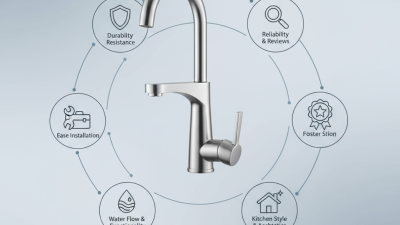
Inspect a production sample yourself. Check thread accuracy, weld finishing, hose flexibility, and the absence of sharp edges. Request batch photos, inspection records, and a written replacement policy. Suppliers with ISO 9001 certification may have stronger process control, yet certification alone proves little about every shipment. I would still order a small trial batch. One overlooked detail can become a costly container-wide problem. Evaluate communication, traceability, testing, and after-sales support together, not price alone.
How to Select the Best SUS304 Kitchen Faucet Supplier
Selecting the best SUS304 kitchen faucet supplier begins with evidence, not catalog photographs. ASTM A240 specifies SUS304 with roughly 18–20% chromium and 8–10.5% nickel. These elements support corrosion resistance. The World Stainless Association’s 2024 statistics report 58.4 million tonnes of stainless steel production in 2023. However, market volume does not guarantee alloy consistency. Ask for heat-lot certificates and independent material verification.
Request a complete production trail.
It should cover casting, machining, polishing, cartridge installation, and final inspection. A reliable supplier can provide PMI records, pressure-test results, and cycle-test data. Examine unfinished samples, not only polished displays. Look for pinholes, uneven threads, sharp edges, and weak hose connections. For potable-water contact, request testing against NSF/ANSI/CAN 61 or applicable local standards. Compliance documents should identify the actual factory and product model.
Flow performance also deserves careful checking. The EPA WaterSense 2023 report states that labeled products saved more than 7.5 trillion gallons cumulatively since 2006. Yet kitchen faucets are not automatically covered by every WaterSense claim. Ask for measured flow rates under defined pressure conditions. A supplier should explain aerator design and replacement options. Do not accept “304 stainless steel” as sufficient proof. In practice, one missing batch record can reveal a weak quality system. I would rather see a modest sample with transparent data than a perfect sample without traceability.