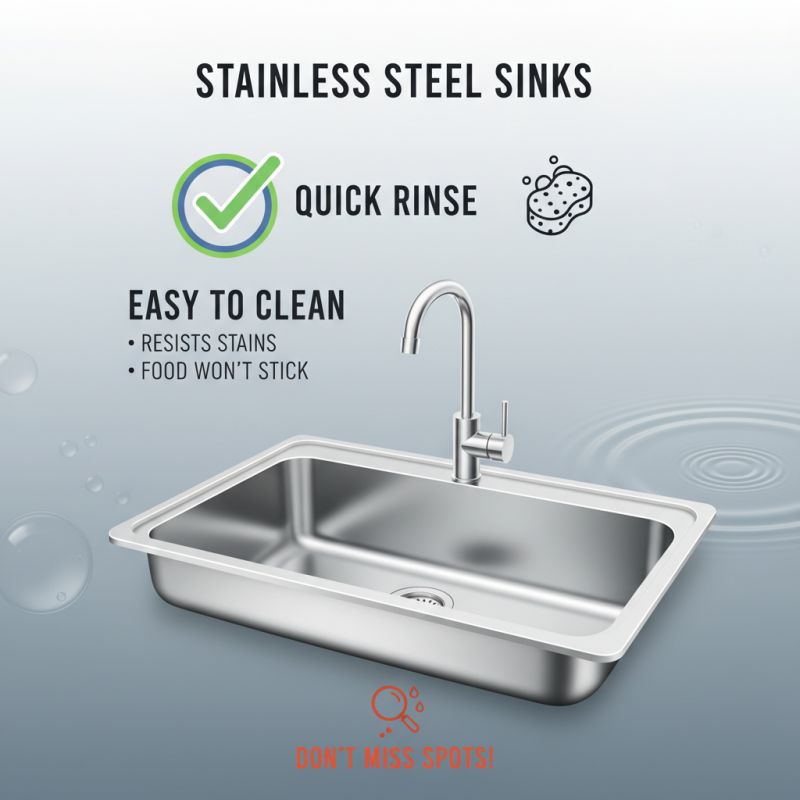
Easy To Clean Stainless Steel Sink Benefits and Tips?
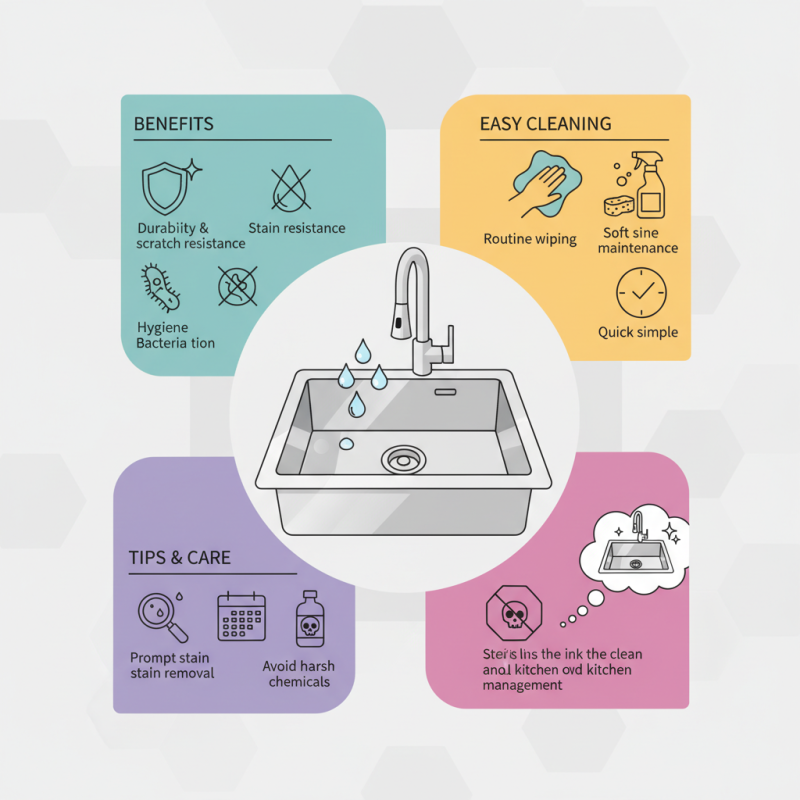
When it comes to kitchen essentials, an Easy To Clean Stainless Steel Sink stands out. Many homeowners appreciate its sleek design and modern appeal. However, the benefits extend beyond aesthetics. Stainless steel sinks are durable, resisting scratches and stains. This feature makes them perfect for everyday use.
Cleaning can be a hassle, but with the right methods, maintenance becomes simple. Regularly wiping down the surface keeps it shining. However, stubborn stains can occasionally appear, causing frustration. It's vital to address these promptly, but not every cleaning product is effective.
Many people overlook how a clean sink contributes to overall kitchen hygiene. An Easy To Clean Stainless Steel Sink can help prevent bacteria buildup. Yet, one must remember that perfection is hard to achieve. Routine care is essential, and sometimes intentional neglect can lead to undesired grime. Reflecting on cleanliness can offer valuable insights into kitchen management.
Benefits of Choosing a Stainless Steel Sink for Your Kitchen
Stainless steel sinks have become a popular choice for modern kitchens. Their sleek look and durability make them a staple in many homes. They resist rust and stains, making daily maintenance easier. You can easily wipe away spills with a soft cloth. This practicality appeals to many busy families.
One essential tip is to avoid abrasive cleaners. They can scratch the surface and affect its shine. Instead, choose a mild detergent. A little baking soda works wonders for tough spots. Just sprinkle it on, scrub gently, and rinse. Another tip is to dry the sink after use to prevent water spots. This helps keep the sink looking its best.
While stainless steel is durable, it may show scratches over time. Some homeowners find this troubling. However, these imperfections can add character to your sink. Embracing these little flaws can lead to a unique charm. The more you use the sink, the more it reflects your life and experiences.
How Easy Cleaning Makes Stainless Steel Sinks a Practical Choice
Stainless steel sinks are known for their ease of cleaning, making them a practical choice for many homes. Their smooth surface resists stains and prevents food particles from sticking. A quick rinse with soap and water is often sufficient to keep them looking pristine. However, it can be easy to overlook tiny spots or water stains if you're not thorough.
Regular maintenance is essential. Just a simple wipe with a microfiber cloth can enhance their shine. Vinegar and baking soda mixtures work wonders for tough stains. Yet, even with these advantages, sometimes scratches can appear over time. It might be tempting to ignore them, but taking the time to address these imperfections can prolong the sink’s lifespan.
Cleaning a stainless steel sink isn't just about appearance. It’s about hygiene too. Bacteria can harbor in unnoticed crevices. Therefore, ensure you clean the sink regularly, paying attention to those hard-to-reach areas. Making this a habit will elevate the overall cleanliness of your kitchen environment.
Essential Tips for Maintaining Your Stainless Steel Sink
A stainless steel sink is a popular choice for many kitchens. Its sleek design and durability make it appealing. However, keeping it clean requires attention. Maintaining its shine can sometimes feel challenging.
Regular cleaning is key for longevity. Use mild soap and a soft sponge. Avoid steel wool, as it can scratch the surface. Stains can appear over time, so act quickly. A paste of baking soda and water can help remove tough stains. Rinse thoroughly afterward. Wipe down the sink daily with a soft cloth to prevent water spots.
Listen to your sink. If it starts showing scratches or dullness, it’s time for a deep clean. Ignoring these signs can lead to deeper issues. Embrace the process of caring for your sink. Reflect on how even small habits can contribute to its upkeep. Remember, a little effort can go a long way in extending its life.
Easy To Clean Stainless Steel Sink Benefits and Tips
| Feature |
Description |
Maintenance Tips |
| Durability |
Stainless steel sinks are resistant to corrosion and rust. |
Wipe clean regularly to prevent water spots. |
| Easy to Clean |
Smooth surface makes cleaning stains and residue effortless. |
Use mild soap and warm water for regular cleaning. |
| Aesthetic Appeal |
Modern look fits well with various kitchen designs. |
Use a stainless steel cleaner for shine restoration. |
| Hygienic |
Non-porous surface prevents bacteria accumulation. |
Disinfect regularly with vinegar or baking soda. |
| Heat Resistance |
Can withstand high temperatures without damage. |
Avoid placing hot pots directly on the sink. |
Common Mistakes to Avoid When Cleaning Stainless Steel Sinks
When cleaning stainless steel sinks, many people make common mistakes. One frequent error is using abrasive cleaners. These can scratch and damage the surface. Instead, choose gentle solutions that are safe for stainless steel. A simple mixture of vinegar and baking soda can work wonders. It is effective and eco-friendly.
Another mistake is neglecting to dry the sink after cleaning. Water spots can accumulate and detract from its shine. Use a soft cloth to dry it off after each cleaning. This small step can maintain its luster and prevent dullness. Also, be wary of leaving metal utensils or pots in the sink for long periods. They can leave marks or rust stains, which are hard to remove.
Many overlook how they store their cleaning materials too. Chemicals should not be stored near food or kitchen items. It creates unnecessary risks. Consider using natural cleaning methods as a safer alternative. Regular maintenance is essential, but it should be done thoughtfully to avoid harming the sink. Recognizing these common mistakes helps keep your stainless steel sink looking its best.
Eco-Friendly Cleaning Solutions for Stainless Steel Sink Care
When it comes to maintaining stainless steel sinks, eco-friendly cleaning solutions offer numerous advantages. Reports indicate that over 70% of consumers prefer natural cleaners over harsh chemicals. Natural solutions can be found in your kitchen. A simple mixture of vinegar and baking soda can effectively tackle tough stains and eliminate odors without harming the environment.
Using these solutions not only benefits your sink but also contributes to a healthier home. Many commercial cleaners contain harmful substances. Research shows these products may release volatile organic compounds (VOCs), which can be detrimental to indoor air quality. By opting for eco-friendly alternatives, you not only protect your sink but also promote better health for yourself and your family.
While natural cleaners are effective, they may not always deliver immediate results. Sometimes, patience is required. Baking soda might need a little time to break down stubborn residues. Not every eco-friendly method suits every situation. You may need to experiment with different combinations to find what works best for your unique needs. Embracing these methods means adopting a cleaner lifestyle, but it also signifies a commitment to environmental stewardship.
Benefits of Easy to Clean Stainless Steel Sinks
This chart illustrates the benefits of easy-to-clean stainless steel sinks based on a score from 1 to 10. The durability and hygienic aspects score the highest, highlighting why these sinks are a popular choice in modern kitchens.